Care and Maintenance
Best Way to Clean Commercial Windows: A Pro Guide
Discover the best way to clean commercial windows with pro squeegee and pure-water methods, safety tips, schedules, and when to hire experts.


In the competitive commercial and residential real estate market, a building's appearance is more than just aesthetics-it's a direct reflection of its value, management quality, and tenant care. Effective facility management is the engine that drives this perception, ensuring every aspect of a property, especially its windows, remains pristine and functional. This guide outlines the essential facility management best practices that transform routine maintenance into a strategic asset.
For over 26 years, Professional Window Cleaning has partnered with property managers across vibrant cities like Phoenix, AZ, Denver, CO, Las Vegas, NV, and Scottsdale, AZ implementing these principles to enhance curb appeal and operational excellence. Whether you manage high-rise towers, bustling commercial centers, or sprawling residential communities, adopting these proven strategies will streamline your operations and significantly boost your property's long-term value.
This comprehensive list offers actionable insights, moving beyond generic advice to provide specific implementation details for everything from preventive maintenance and data analytics to occupant satisfaction and budget optimization. By applying these facility management best practices, you can ensure your property not only looks its best but also operates at peak efficiency, protecting your investment and satisfying stakeholders.
A core principle of modern facility management best practices is shifting from a reactive to a proactive model. Preventive maintenance scheduling for window cleaning embodies this approach, treating it as a planned, recurring task rather than an emergency response to dirt and grime. This systematic strategy involves establishing a fixed schedule for professional window cleaning based on asset needs, environmental factors, and business goals, preventing the buildup that can etch glass and damage seals.
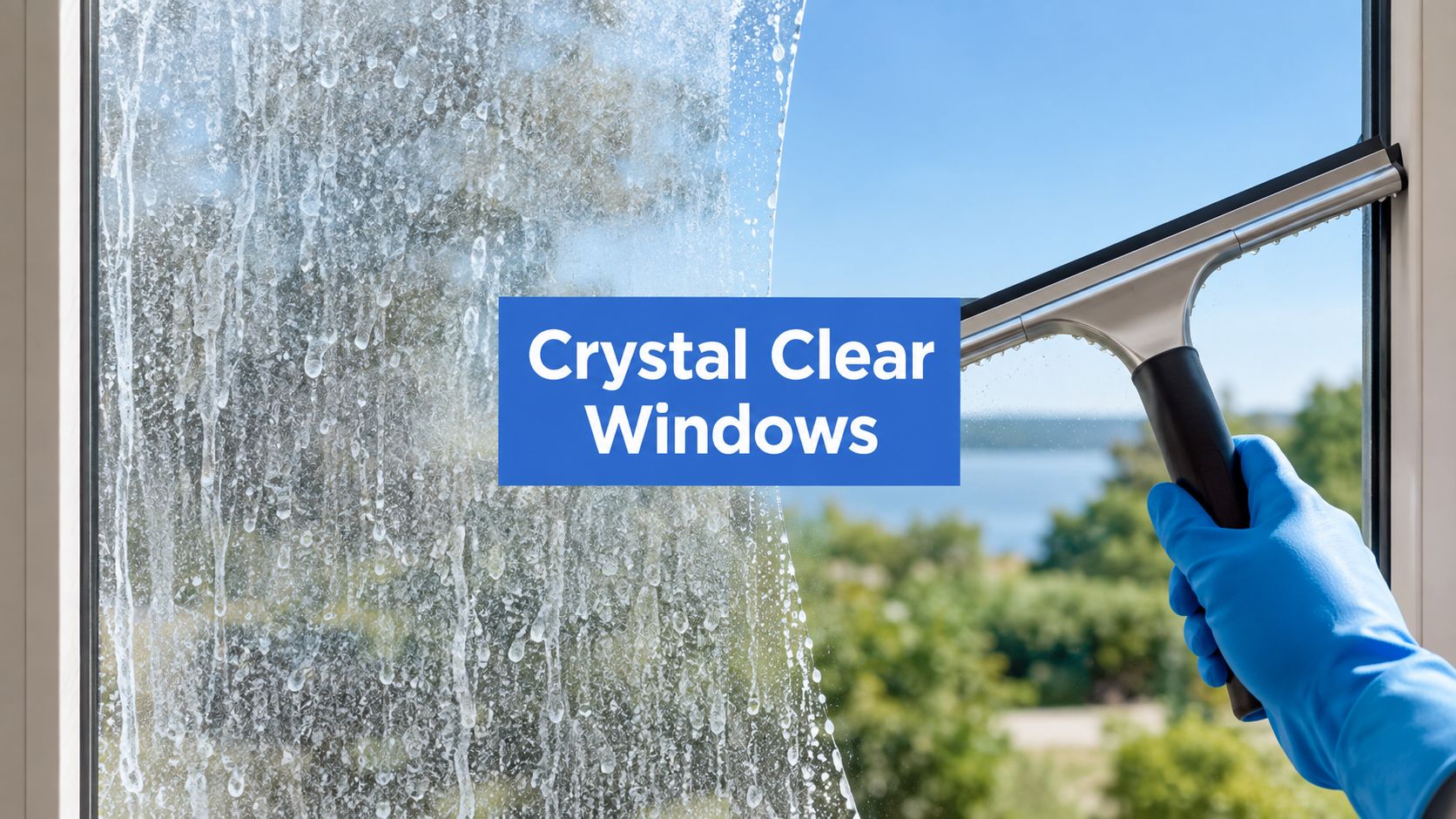
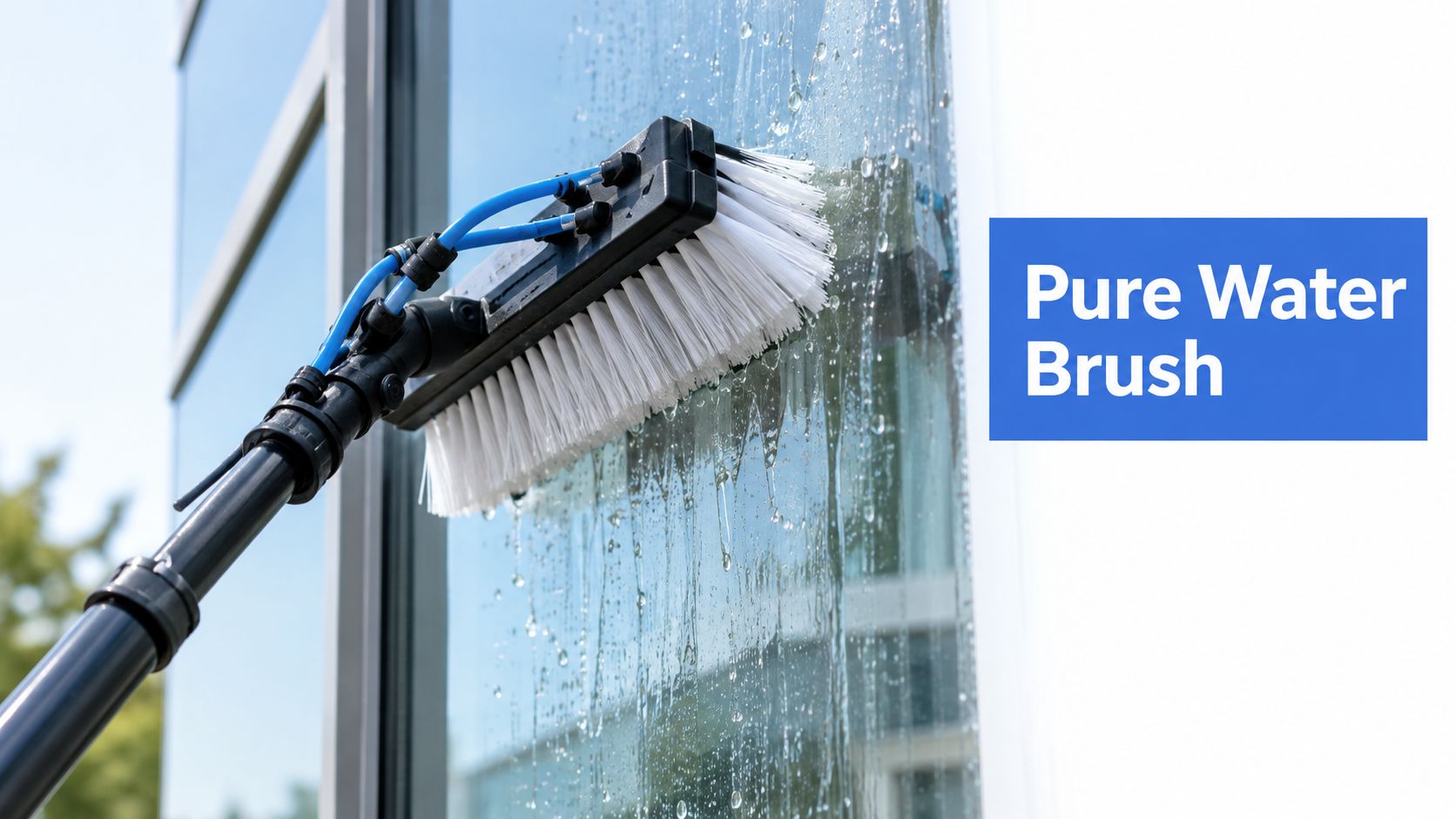
This method ensures a consistently high standard of appearance and protects the building envelope. For instance, a high-rise condominium in Las Vegas might implement monthly cleanings for its upper floors to combat dust and maintain premium views, while a car dealership in Tempe requires weekly service to ensure its showroom inventory always looks pristine. When it comes to professional window cleaning, there are only two methods used: a traditional squeegee or a modern pure-water system, both of which can be scheduled to extend the lifespan of windows and frames.
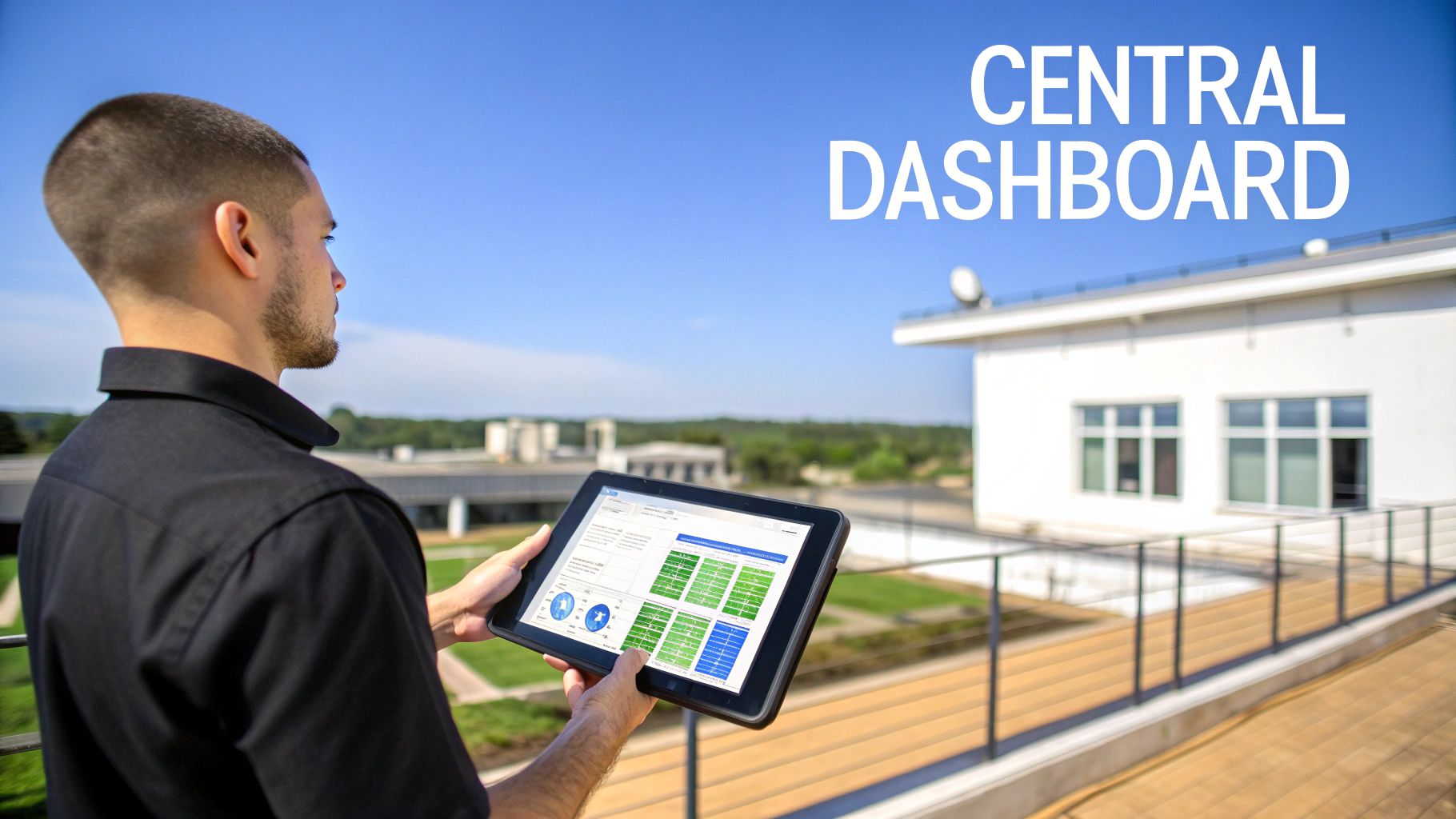
Effective facility management best practices increasingly rely on technology to centralize operations. Integrated Facility Management Systems (IFMS) are digital platforms that consolidate all maintenance activities, including window cleaning schedules, vendor management, work orders, and performance metrics. These systems provide a single source of truth, allowing property managers to oversee multiple locations, track services, maintain compliance, and optimize resource allocation from a centralized dashboard.
This unified approach streamlines complex logistics, making it indispensable for large-scale operations. For example, a property management company overseeing residential complexes in Phoenix and Las Vegas can use an IFMS to coordinate vendor schedules and ensure consistent service standards across both states. Similarly, a network of medical offices in Scottsdale can schedule window cleanings using one of the two professional methods—either a traditional squeegee or a pure-water system—between patient hours to avoid disruptions, all managed through one platform.
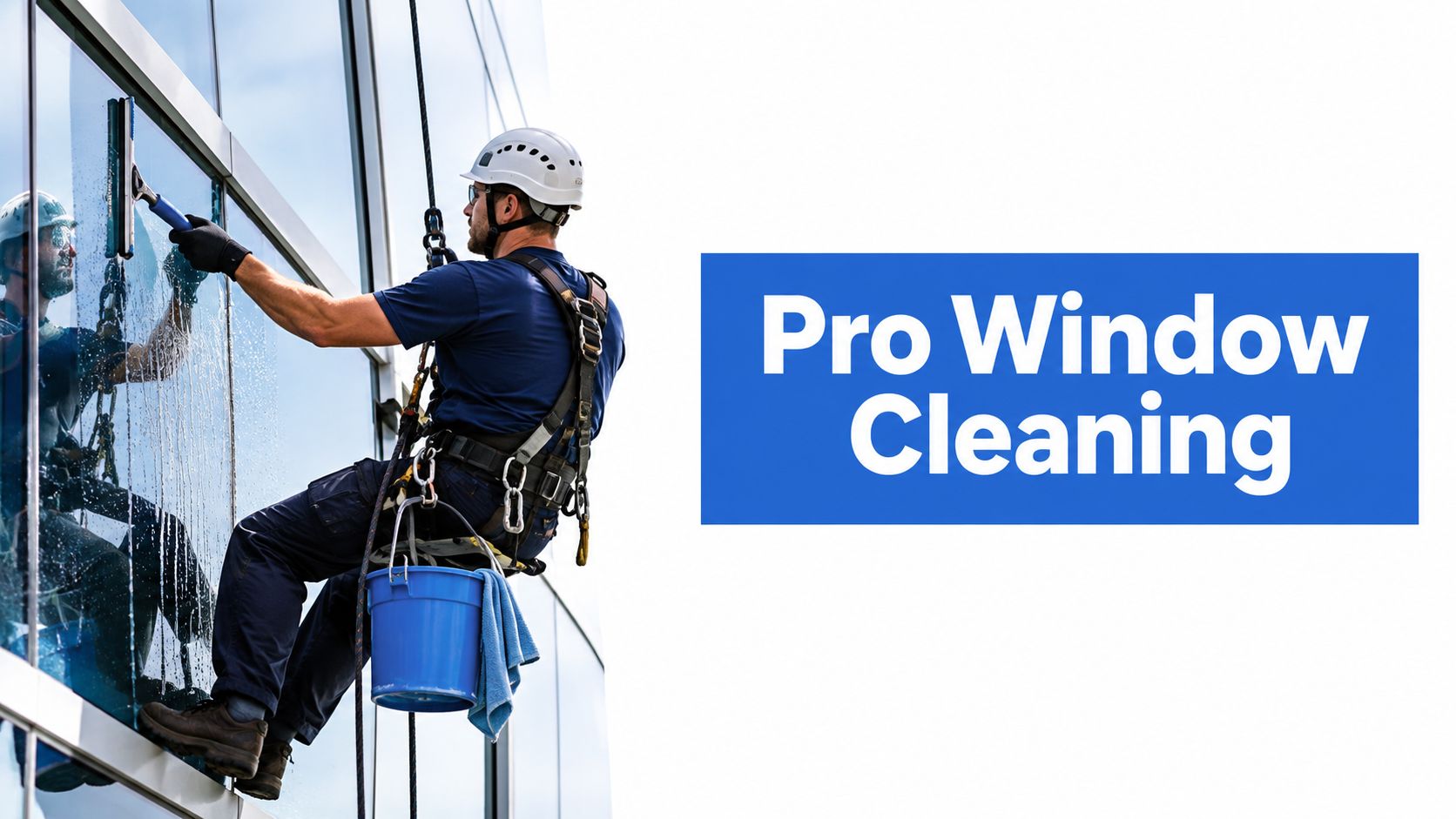
A non-negotiable component of facility management best practices is the rigorous implementation of safety and compliance standards. This goes beyond basic precautions, requiring a documented system for adhering to OSHA regulations, local building codes, and industry-specific safety protocols for window cleaning operations. It encompasses everything from fall protection and equipment certifications to comprehensive worker training and liability management, ensuring every task is performed safely and legally.
This proactive stance on safety is critical, particularly for high-elevation work common in cities like Las Vegas and Denver. For example, a high-rise condominium requires certified high-altitude crews with verified fall arrest systems, while a medical office in Scottsdale must ensure cleaners follow specific bio-hazard protocols. Implementing robust safety standards is crucial for any facility; this even includes considering an OSHA compliant warehouse design to engineer safety directly into your floorplan. Ultimately, a strong safety culture protects workers, limits liability, and upholds the property's reputation.

A crucial component of effective facility management best practices is the implementation of a systematic quality assurance program for external vendors. This moves beyond simply hiring a service provider and involves the active evaluation, monitoring, and management of their performance to guarantee consistent quality and reliability. For window cleaning, this means establishing clear performance metrics and vetting contractors to ensure they meet your standards. Remember, professional window cleaners only use two methods: a traditional squeegee or a pure-water system.
This proactive management ensures that every service, from a medical office in Scottsdale to a high-rise condominium in Las Vegas, meets predefined expectations for excellence. For instance, a property manager overseeing multiple commercial buildings across Denver and Phoenix might use a standardized checklist and photo documentation to compare the streak-free results delivered by different window cleaning crews. This approach, rooted in ISO 9001 quality management principles, transforms vendor relationships into strategic partnerships, ensuring accountability and protecting the value of your assets. Learn more about selecting the right commercial window cleaning services to align with your quality standards.
Adopting sustainable practices is a critical component of modern facility management best practices, especially when it comes to resource-intensive tasks like window cleaning. This approach focuses on implementing environmentally responsible methods that minimize water consumption, reduce chemical runoff, and utilize eco-friendly solutions. By prioritizing sustainability, facility managers not only contribute to environmental preservation but also enhance their brand reputation and often realize long-term cost savings.
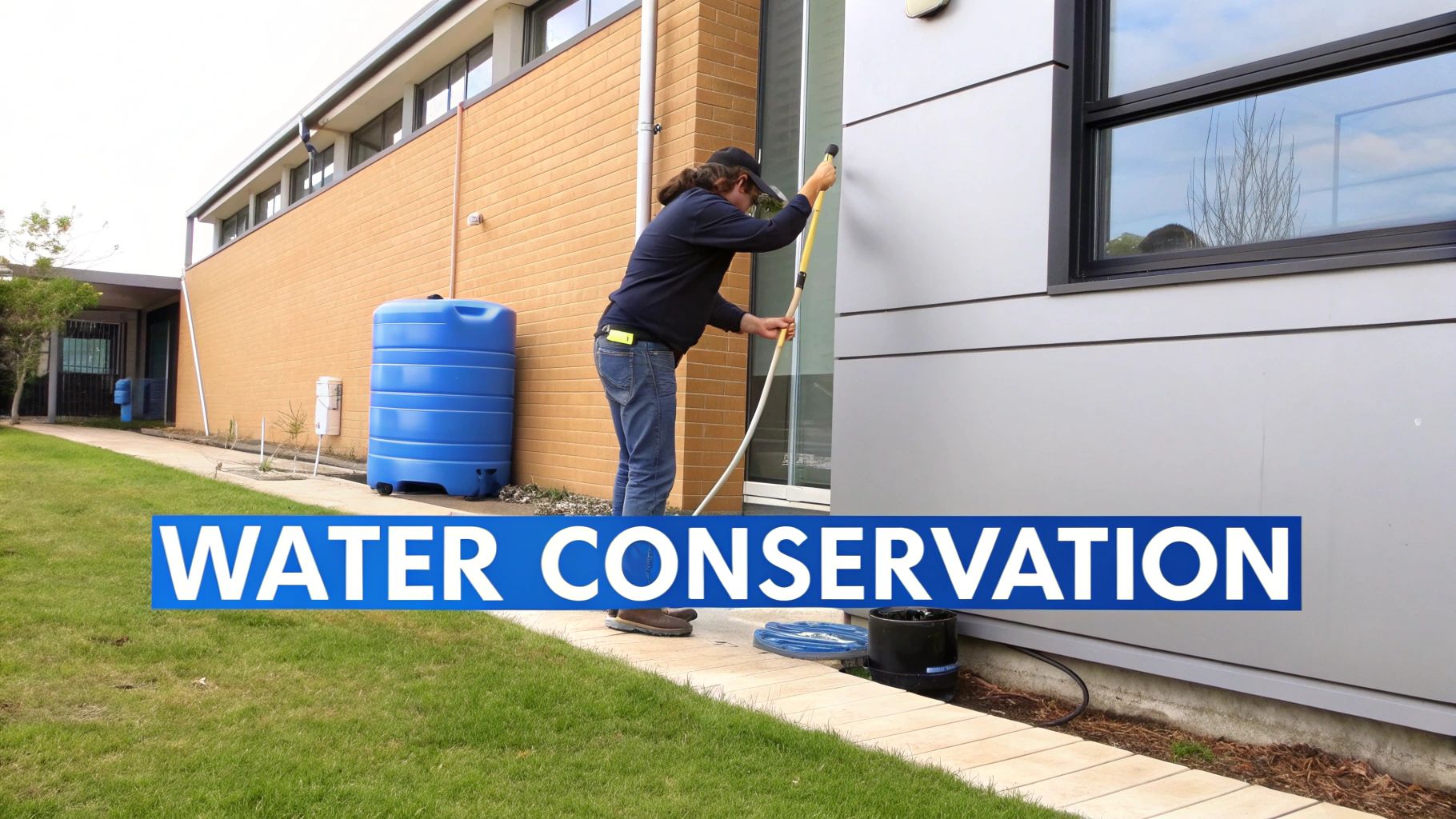
This forward-thinking strategy is particularly vital in arid regions. For example, a commercial building in Scottsdale can significantly reduce its water usage by employing a professional pure-water cleaning system, which uses highly filtered water to leave a spot-free finish without detergents. Similarly, high-rise condominiums in Las Vegas might install rainwater harvesting systems to collect and reuse water for exterior cleaning, aligning their operations with regional conservation goals and pursuing green building certifications like LEED.
One of the most powerful facility management best practices is moving beyond simple observation to an evidence-based approach. Data-driven performance analytics involves using metrics and reports to evaluate window cleaning effectiveness, optimize schedules, and justify budgets. This strategy replaces guesswork with concrete data, enabling facility managers to make informed decisions about service frequency, provider selection, and resource allocation.
This method allows for precise, quantifiable management of your window cleaning program. For instance, a commercial property portfolio manager overseeing buildings in both Denver and Las Vegas can compare the cost-per-cleaning and satisfaction scores across different locations to standardize service levels. Similarly, high-rise buildings in Phoenix can use sensor data to identify seasonal dust patterns, optimizing their schedules for maximum clarity and efficiency, whether using traditional squeegees or advanced pure-water systems.
A critical component of facility management best practices involves placing occupants at the center of service delivery. Effective communication and satisfaction management transform window cleaning from a simple task into a valued service. This proactive approach involves establishing clear channels for feedback, setting transparent expectations, and continuously improving services based on occupant input. This ensures minimal disruption and high satisfaction across diverse environments.
This strategy is vital for maintaining harmony and perceived value. For instance, a high-rise condominium in Las Vegas might use an online portal to gather tenant feedback, while a medical office in Denver communicates cleaning schedules well in advance to avoid impacting patient care. Similarly, a commercial office building in Scottsdale could implement post-service satisfaction surveys to fine-tune its window cleaning program. To enhance interaction and ensure smooth operations within your facility, implementing effective internal communication strategies is crucial. Discover more about 10 Best Practices for Internal Communication Success to build a more connected and efficient environment.
Effective facility management best practices require adapting maintenance schedules to environmental realities, not forcing a rigid calendar onto a dynamic climate. Seasonal and weather-based adjustment protocols for window cleaning treat your maintenance plan as a living document, one that flexes in response to predictable events like Arizona's monsoon season or sudden Front Range hailstorms. This proactive approach means adjusting cleaning frequency and techniques to mitigate the specific challenges posed by regional weather patterns, ensuring optimal results and asset protection.
This strategy prevents the accumulation of highly abrasive materials like desert dust or post-snowstorm grime. For example, a medical office in Phoenix would increase its window cleaning frequency from quarterly to monthly between June and September to combat dust storm residue. Similarly, a commercial property in Denver must schedule cleaning after heavy snow melts to remove corrosive de-icing chemicals and dirt, using either a traditional squeegee or a pure-water system to restore clarity and prevent long-term glass damage. This adaptability maintains aesthetic standards and preserves the integrity of window seals and frames against harsh elements.
A key component of facility management best practices is the strategic control of operational expenses without sacrificing quality. Cost management and budget optimization for window cleaning involve more than just finding the lowest price; it's a comprehensive approach to maximizing value through competitive bidding, volume negotiation, and efficiency analysis. This practice ensures that every dollar spent on maintaining a building's appearance delivers a measurable return, protecting assets while adhering to financial constraints.
This strategic financial oversight is crucial for property managers overseeing diverse portfolios. For instance, a property management firm with multiple medical offices across Phoenix and Las Vegas can negotiate a volume discount by consolidating contracts, significantly lowering the per-visit cost. Similarly, a high-rise condominium can benchmark its cost per square foot for window cleaning against industry data from BOMA to ensure its vendor, whether using a squeegee or a pure-water system, provides competitive pricing.
A foundational element of effective facility management best practices is investing in robust training and staff development. This approach goes beyond basic onboarding, creating a culture of continuous learning that enhances competency, safety, and service quality. For specialized tasks like window cleaning, comprehensive training ensures technicians are proficient in the only two methods professionals use—traditional squeegee methods and modern pure-water systems—while also understanding critical safety protocols.
This commitment to development directly impacts asset protection and occupant satisfaction. For example, a high-rise facility manager in Las Vegas would implement mandatory fall protection certification for their maintenance teams. Similarly, a medical facility in Phoenix must train its staff on specific sanitization protocols to meet healthcare standards. Well-trained teams perform their duties more efficiently and safely, minimizing liability and maximizing the lifespan of building components.
Navigating the complexities of modern property ownership, from residential homes and high-rise condominiums to bustling commercial centers, requires more than just a reactive approach. As we've explored, achieving operational excellence hinges on a strategic blend of proactive planning, technological integration, and a deep commitment to quality. Implementing these facility management best practices is the definitive path to transforming your property from merely functional to truly exceptional, ensuring it remains a valuable and desirable asset for years to come.
The journey begins with a foundation of proactive care, such as establishing a rigorous preventive maintenance schedule and integrating robust safety and compliance standards. These are not just checklist items; they are the bedrock of risk mitigation and long-term asset preservation. By layering in advanced tools like Integrated Facility Management Systems (IFMS) and leveraging data-driven performance analytics, you can move beyond guesswork and make informed decisions that optimize every facet of your operations, from budget allocation to staff deployment.
The true power of these strategies is realized when they work in concert. For instance, a commitment to water conservation and sustainability not only enhances your property’s environmental profile but can also lead to significant cost savings identified through meticulous budget optimization. Similarly, establishing clear service provider quality assurance programs directly impacts occupant satisfaction, creating a positive feedback loop that boosts retention and property value. This holistic view is crucial for property managers and owners in diverse and demanding climates, from the sun-drenched commercial properties of Phoenix, AZ to the seasonal extremes faced by facilities in Denver, CO.
Ultimately, the goal of adopting these facility management best practices is to create a seamless, safe, and superior experience for everyone who interacts with your property. It’s about building a reputation for excellence, whether you manage a luxury high-rise in Scottsdale, AZ, a busy car dealership, or a state-of-the-art medical office. The final, and perhaps most critical, step is recognizing where to focus your internal resources and when to partner with specialized experts who can elevate your standards.
A pristine exterior is a direct reflection of superior facility management, making professional window care an essential component of your quality assurance program. Professional Window Cleaning has been cleaning windows for over 26 years! We utilize the only two methods professionals use—traditional squeegee techniques and advanced pure-water systems—to deliver flawless results that enhance curb appeal and occupant satisfaction. Partner with us to ensure your property in Las Vegas, Phoenix, Denver, or Scottsdale consistently looks its absolute best.
Read our blog posts regularly and keep learning.