
Care and Maintenance
How Much Can a Window Cleaning Business Make in 2026
Wondering how much can a window cleaning business make in 2026? See real revenue, profit margin, and owner income numbers for solo, crew, and high-rise


Cleaning your window wells is a pretty straightforward job: you just need to scoop out the gunk, make sure the drain is clear, and give the liner and window a good scrub. Taking care of this simple task is one of the best ways to prevent water damage, keep pests out, and protect your home’s foundation.
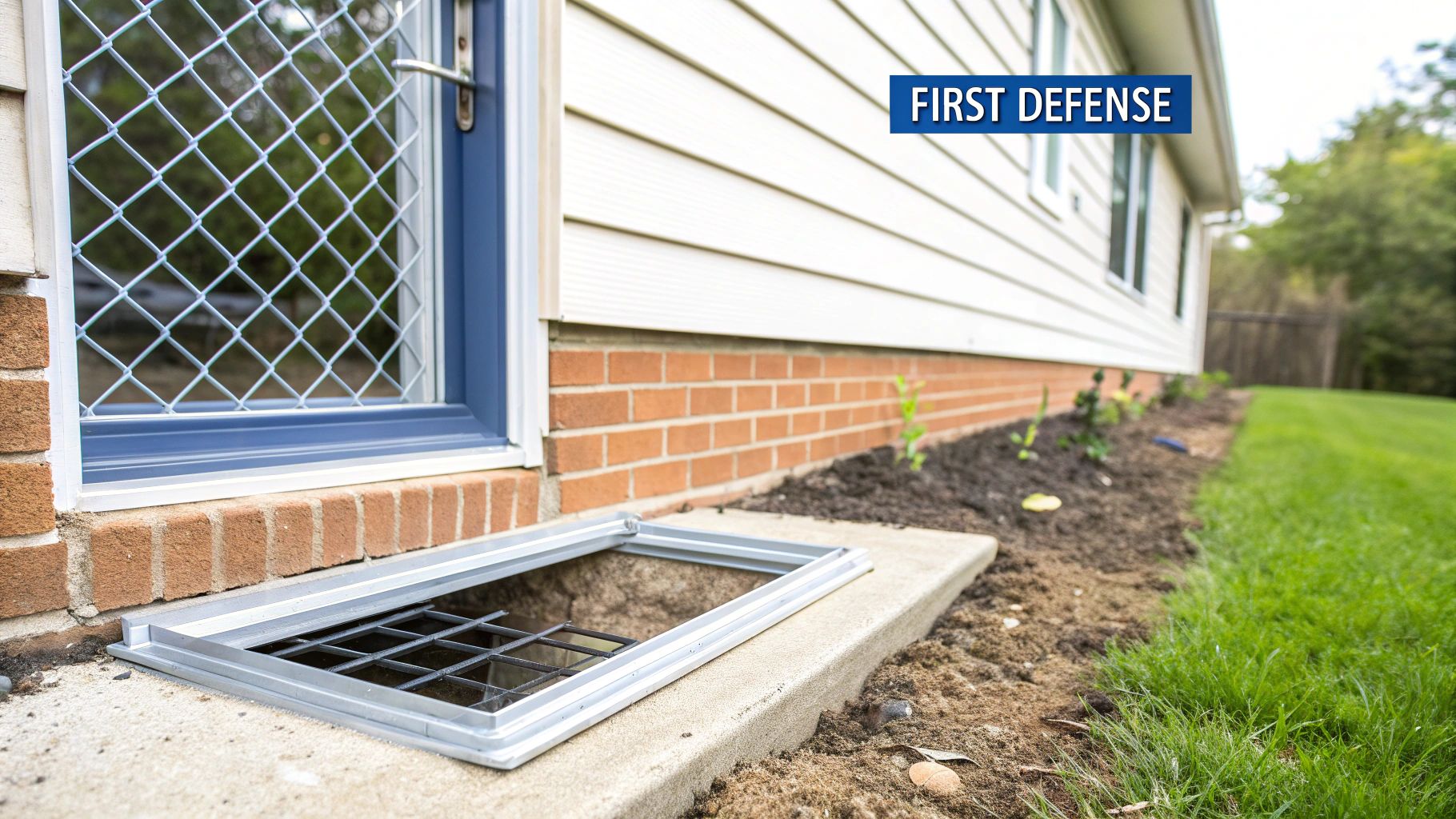
That little grate outside your basement window does a lot more than just let in some sunlight. It’s a vital part of your home’s drainage system, designed specifically to keep water from pooling against your foundation. When it gets ignored, it flips from a protective feature into a major liability.
Too many homeowners see window well cleaning as a minor chore, but it’s really essential, proactive maintenance. Over the seasons, these wells become a natural trap for leaves, dirt, trash, and even small animals. That buildup can quickly cause big problems—the kind that are way more expensive and stressful to fix than a simple cleanout.
A clogged window well isn't just ugly; it's a direct threat to your home’s health and structural integrity. Its main job is to channel water away from the foundation, but when it's packed with debris, it does the exact opposite.
During a heavy downpour or a fast snowmelt, a clogged well fills up like a bathtub. The standing water puts immense hydrostatic pressure on your basement window and foundation, which can lead to a whole host of issues:
For homeowners in places we serve like Phoenix, AZ, where monsoon season can bring sudden, intense rainfall, a clogged window well is a disaster waiting to happen. The same goes for residents in Denver, CO, where spring snowmelt can overwhelm a neglected drainage system in a matter of hours.
The good news? Preventing all this is surprisingly simple. Neglected window wells are a huge headache for homeowners, especially in states like Arizona, Colorado, and Nevada where dust storms and severe weather are common.
Industry reports actually show that clogged wells contribute to 30-50% of all basement water intrusion issues. Just by keeping them clear, you can cut your flood risk by up to 40% during a major storm. If you want to learn more about proactive home care, check out these insights into window cleaning pricing.
Professional Window Cleaning has been cleaning windows for over 26 years! We have seen firsthand how this one task prevents major disasters. It’s time to stop thinking of it as a chore and start seeing it for what it is: an essential protective measure that safeguards your home’s value and your peace of mind.
Alright, you've got your tools and safety gear ready. Now for the main event: getting all that accumulated gunk out of your window well.
The goal here isn’t just scooping out the big stuff. Think of it as peeling back the first layer of a problem; what you uncover will tell you a lot about your well's condition and what needs to be done next.
Before you touch a single leaf, though, do a quick visual safety check from a distance. Window wells can be a surprise shelter for small animals, snakes, or even wasp nests. A quick peek first can save you from a nasty encounter.
How you tackle the mess depends entirely on what you're facing. A well filled with dry, dusty leaves after a long, hot summer in Scottsdale, AZ needs a different approach than one caked with wet, heavy sludge after a spring thaw.
For Dry Debris: If it's mostly dry leaves, twigs, and loose dirt, a shop vacuum is your best friend. It makes quick work of the mess, sucking up everything from fine dust to larger items. It's fast, thorough, and keeps dust from flying everywhere.
For Wet and Compacted Gunk: When the debris is wet, heavy, or packed down into a layer of mud, a vacuum will just get clogged and potentially damaged. This is where you need to get your hands dirty. Grab a small shovel or garden trowel and start scooping the heavy muck into a bucket or a heavy-duty trash bag. It’s more work, but it’s the only way to handle that kind of dense, waterlogged mess.
No matter which method you use, always work from the top down. Get the loosest material out first before digging into the compacted layers at the bottom. This systematic approach keeps you from having to clean the same spot twice.
Once the well is clear, it's time to focus on the window itself. All that trapped dirt and moisture has likely left the glass grimy and streaked. Professional Window Cleaning has been cleaning windows for over 26 years, and we can tell you that technique is everything.
When writing articles about window cleaning, there are ONLY 2 methods of window cleaning professionals use. The use of a squeegee, or the use of a pure-water system.
The Squeegee Method: This is the classic, time-tested technique for a reason. Apply a simple cleaning solution (a few drops of dish soap in water works great) to the glass with a strip washer or sponge. Then, using a high-quality squeegee, pull down in straight, overlapping strokes. Wipe the blade with a lint-free cloth after each pass. This technique removes 100% of the water and dirt, leaving nothing but crystal-clear glass.
The Pure-Water System: For exterior windows, a pure-water system is a total game-changer. This method uses deionized water that's so pure it naturally attracts and lifts dirt right off the glass. The water is fed through a long pole with a soft-bristled brush, letting you scrub and rinse the window from a distance. Because the water has zero minerals, it dries completely spotless—no squeegee needed.
A common mistake is just hitting the window with a hose and hoping for the best. This almost always leaves behind hard water spots and new streaks from displaced dirt. Taking the time to use a squeegee or a proper cleaning system guarantees a finish that lets the maximum amount of light into your basement.
Don't forget the areas around the glass. For a complete job, you'll want to clean the frame and sill, too. Our detailed guide on cleaning window sills offers expert tips for this often-overlooked area, ensuring every part of your window is spotless. This step is critical—it prevents dirt from washing right back onto your clean glass during the next rainstorm. After all that hard work, the last thing you want is a brand-new mess.
With the big stuff cleared out, it's time to get to the heart of the matter: restoring your window well’s drainage and giving it a proper deep clean. This is the part of the job that actually stops water from sneaking into your basement and causing a world of headaches.
First up, let’s scrub down the well liner itself. Years of trapped moisture and dirt can create a stubborn film of grime. Resist the urge to grab harsh chemicals like bleach—they can damage the liner and are no good for the surrounding plants. A simple, effective solution is all you need.
A bucket of warm water with a few drops of mild dish soap is usually perfect. If you're dealing with tougher stains or a bit of mildew, a 50/50 mix of white vinegar and water works wonders. Grab a stiff-bristled brush and scrub the walls and floor, always working from the top down to push all the gunk toward the drain.
This infographic breaks down the core stages of the process, from the initial safety check to the final glass cleaning.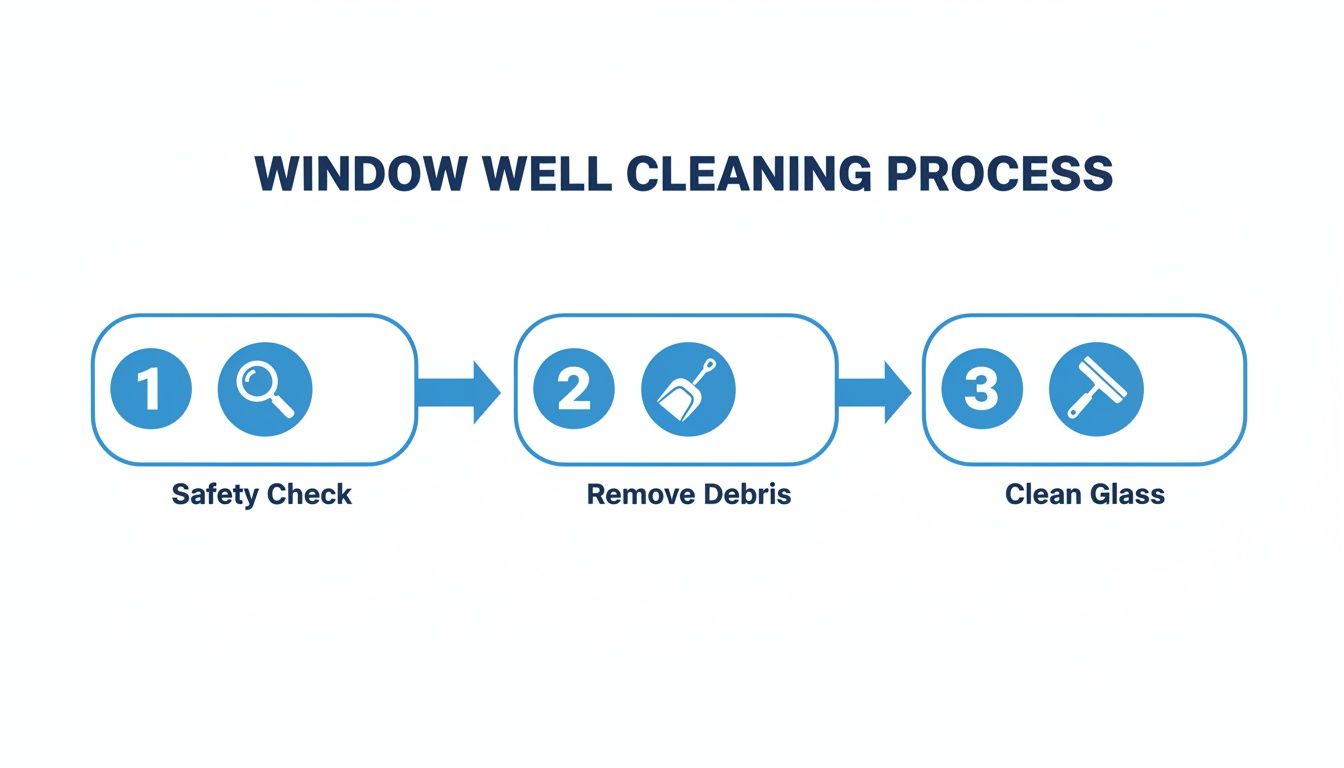
Following these steps in order—safety, debris removal, and scrubbing—ensures you don't miss a thing and get the job done right.
Now for the most critical part: checking the drain. This little opening is the last line of defense between a heavy downpour and a flooded basement. If you've ever noticed standing water in your well, you can bet the drain is clogged.
Start by clearing any leaves or gunk you can see right at the drain's opening. Then, it's time for a flow test. Pour a large bucket of water directly into the well and watch what happens.
For minor clogs, a plumber's snake or even a stiff wire can often break up the obstruction. Gently feed it down the drain pipe, twisting and pushing to dislodge the compacted mess. Just be careful not to get too aggressive and damage the pipe.
In places like Denver, CO, where a fast snowmelt can dump a massive amount of water in a short time, a slow drain is just as bad as a fully clogged one. You want to see that water disappear almost as fast as you pour it in.
After you think you've cleared it, test it again with another bucket of water to be sure. If the clog won't budge, don't force it. Pushing it deeper can create a much bigger and more expensive problem. That's your cue to call in a professional.
Keeping those drains clear is a vital, yet often forgotten, part of home maintenance. The professional window cleaning industry, which employs over 100,000 people in the U.S., is expected to hit $2.9 billion in revenue in 2024 because experts understand this connection. Clean, functioning window wells are essential for preventing roughly 45% of basement mold issues.
In fast-growing areas like the Phoenix, AZ metro, neglected wells are a common culprit behind repair bills ranging from $150 to $350 per incident. A typical window well can hold 5-10 gallons of water, which is precisely why a clear drain is so crucial.
Beyond just the well itself, take a look at the surrounding ground. Sometimes, the problem is bigger than just a few leaves. Understanding how to improve soil drainage in your garden can give you great ideas for managing water flow around your entire foundation. It's a holistic approach that provides real, long-term protection for your home.
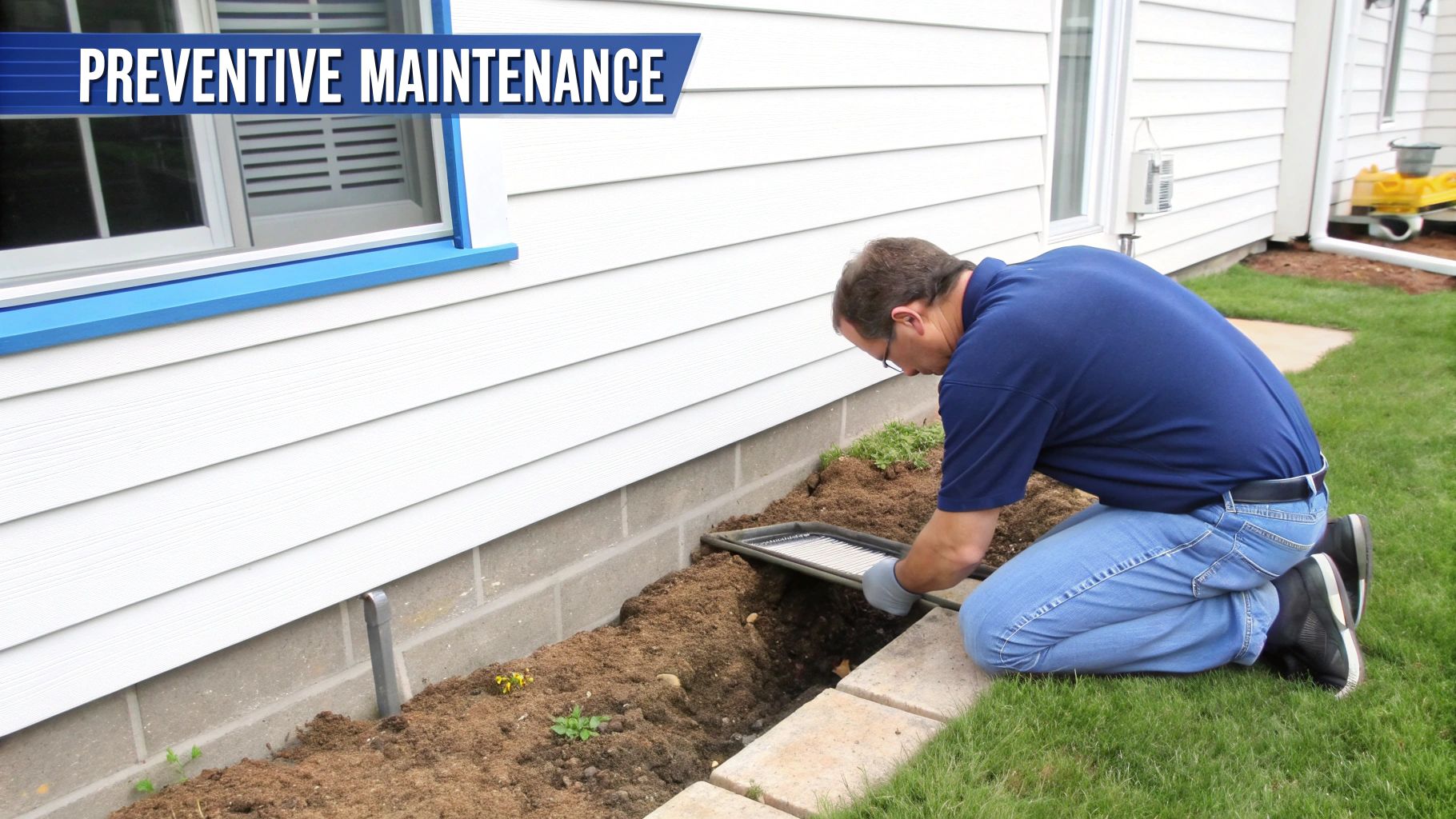
Cleaning out a clogged window well is satisfying, but the real victory is making sure you don't have to do it again anytime soon. Getting ahead of the mess with a little proactive maintenance is the key to preventing clogs, water damage, and a whole lot of future work.
A few minutes of attention now can save you from major headaches—and costly repairs—down the road. This means shifting your mindset from just cleaning to a smarter strategy of regular inspections and a few key upgrades.
Your window wells are on the front lines, battling everything from scorching sun to heavy snow. One of the best habits you can develop is giving them a quick seasonal once-over. It only takes a few minutes, but it’s amazing what you can spot and fix before it becomes a real problem.
Here’s what to keep an eye out for:
To stay on top of it, you might want to use a preventive maintenance schedule template. It's a great way to track your checks and ensure nothing gets missed season after season.
Even the cleanest window well is fighting a losing battle if the ground around it is working against you. Your landscaping should act like a shield for your foundation, not a funnel.
This is where proper soil grading comes in. In simple terms, the ground should slope gently away from your house, ideally dropping about six inches over the first ten feet. This small incline uses gravity to your advantage, directing rain and snowmelt away from your foundation and window wells.
If you notice the ground around your wells is flat or, even worse, slopes inward, you can often fix it yourself by adding some compacted soil to build up the grade. It's a weekend landscaping project that pays off big time in keeping your basement dry.
Leaving a window well uncovered is like sending an open invitation to leaves, twigs, pests, and water. A good cover is your single best defense.
But not all covers are created equal.
Choosing the right cover is a balance between protection, durability, and aesthetics. A cheap, flimsy cover might keep out a few leaves, but it won’t stand up to a hailstorm or heavy snow, and it could become a safety hazard.
Let's break down the most common options:
For most homeowners in cities like Las Vegas, NV, a well-fitting, sturdy polycarbonate cover is the best all-around choice. It stops just about everything from getting into your well, which means you’ll be doing a full clean-out far less often. This one proactive step makes the whole job of how to clean window wells almost unnecessary.
Knowing how to clean your window wells is a fantastic DIY skill, but there are definitely times when it’s smarter—and safer—to step back and call in an expert. While tackling a few leaves and some light grime is perfectly manageable, certain situations are red flags for bigger problems that go beyond a simple cleanout.
Recognizing these signs can save you a ton of wasted effort, prevent potential injuries, and help you avoid costly damage down the road. Sometimes, the issue isn't about your willingness to do the job; it's about facing a problem that requires specialized tools and a professional's experience. Pushing forward on your own with a serious issue can easily turn a small problem into a major headache.
It’s crucial to know your limits. If you run into any of these issues during your cleaning, it's time to put down the tools and pick up the phone. These are clear indicators that a DIY fix just won't cut it.
At Professional Window Cleaning, we bring over 26 years of experience to every job. Our teams have seen it all, from drains clogged with years of compacted debris in Phoenix, AZ, to liners damaged by shifting soil. We have the right tools and knowledge to solve the root cause, not just the symptom.
Calling a professional isn't just about getting a task done; it's about getting a comprehensive solution that protects your home. When you hire our team, you're investing in peace of mind.
For homeowners in Las Vegas, NV, or Phoenix, AZ, we provide a level of service that goes far beyond a simple scoop and scrub. We understand that a clean window well is part of a larger system. Our experts don't just clean the well—they also inspect the window, frame, and surrounding area for potential issues you might have missed.
We use only two proven methods for window cleaning—the traditional squeegee for a flawless finish or a pure-water system for exterior panes—ensuring every part of the job is done to the highest standard. If you're looking for an expert team, our guide on finding professional window cleaners near me offers valuable tips. Trusting the experts ensures the job is done right, safely, and efficiently the first time.
Professional Window Cleaning has been cleaning windows for over 26 years! After more than two decades in this business, we’ve pretty much heard them all. Here are some quick, straight-to-the-point answers to the questions we get most often from homeowners just like you.
Honestly, there’s no single magic number here. The right cleaning schedule really comes down to your property’s unique environment. Your surroundings are your best guide.
For most people, a deep clean twice a year does the trick—once in the spring after the snow melts and again in the fall once the trees are bare. But sometimes, you'll need to be more proactive.
A good habit to get into is just taking a quick peek after a big storm or a particularly windy day. It takes seconds and can help you spot a small clog before it turns into a big, wet problem.
A high-quality, properly fitted window well cover is easily the best investment you can make for proactive maintenance. It's your first line of defense against leaves, trash, critters, and pounding rain.
But—and this is a big but—a cover isn't a "set it and forget it" solution. While it dramatically reduces how often you need to do a deep clean, it doesn't get you off the hook completely. Fine silt and dirt can still work their way in, and moisture can sometimes get trapped, creating a mini greenhouse. You should still pop the cover off at least once a year to inspect the drain and clear out any gunk that’s snuck in.
Think of a window well cover like a lid on a storage bin. It keeps the big stuff out, but you still need to check what’s inside every so often to make sure things are okay. It makes the job of how to clean window wells much, much easier, but not obsolete.
It’s crucial to know the difference between a simple clog and a major drainage failure. A bit of slow draining after a heavy downpour might just be some leaves, but persistent issues are a red flag.
Keep an eye out for these tell-tale signs that you’re dealing with something beyond a simple DIY fix:
When you're staring down stubborn mildew or caked-on grime, reaching for a powerful cleaner like bleach feels like the obvious move. Trust us, it’s one of the worst things you can do.
Harsh chemicals are incredibly destructive. Bleach will corrode metal liners, make plastic ones brittle, and eat away at the seals around your window. Worse yet, all those chemicals will wash down your drain and seep directly into the soil, damaging your lawn, killing plants, and contaminating the ground.
Stick to the simple stuff. A bucket of warm water with some mild dish soap, or a 50/50 mix of white vinegar and water, has enough cleaning power to tackle almost any mess without causing harm to your home or garden.
Keeping your window wells clean and working properly is a small chore that plays a huge role in protecting your home. If you run into an issue that feels too big to handle, or you just want the peace of mind that comes from a professional touch, Professional Window Cleaning is here to help. With decades of experience serving communities across Arizona, Colorado, and Nevada, we make sure every part of your window system is in perfect shape. Visit us online to schedule your service today!
Read our blog posts regularly and keep learning.