Care and Maintenance
How to Clean Cement the Right Way Without Damage
Learn how to clean cement on driveways, patios, and sidewalks with safe, effective methods. Step-by-step guide to stains, pressure washing, and prevention.


A glass of red wine tips over on a light rug. Coffee splashes across a shirt on the way out the door. A greasy fingerprint lands on upholstery. In that moment, a full cleaning manual isn't what's needed. What's essential is knowing what to grab, what to avoid, and when a well-meaning DIY attempt is about to make the problem worse.
That's where eco friendly stain removers either prove themselves or disappoint quickly. The good ones aren't just gentler options with nicer labels. They work because the chemistry matches the stain, the surface, and the way the product is used. The bad results usually come from the opposite problem. People scrub too hard, use the wrong ingredient, or rush the process and then assume every green cleaner is weak.
After years in cleaning, one lesson keeps repeating: safe and effective isn't about choosing between performance and caution. It's about matching the right method to the mess.
People are paying closer attention to what they bring into homes, offices, rental properties, and shared spaces. That's especially true when kids, pets, tenants, or frequent guests are involved. A cleaner that leaves behind a harsh smell or residue may remove the spot, but it can also create a new problem.
That shift isn't small. The global stain remover market was estimated at USD 26.21 billion in 2025 and is projected to reach USD 40.34 billion by 2034, with a projected 4.91% CAGR from 2026 to 2034. In the same market outlook, the residential segment accounted for 57.80% of global demand in 2024, which shows that homeowners are driving much of this move toward safer, lower-toxicity options, according to Straits Research's stain remover market outlook.
For property managers and homeowners, the appeal is practical. Eco friendly stain removers often fit better into regular maintenance routines because they can be used more confidently around everyday living spaces. That doesn't mean every green product works on every stain. It means more buyers now want products that solve common messes without treating the whole room like a chemical spill zone.
A lot of cleaning decisions happen under pressure. Someone sees a spill and reaches for whatever is nearby. That habit is part of the reason surfaces get damaged. Better routines start with better products and a little restraint.
A smarter cleaning setup usually includes:
If you're trying to build a more sustainable overall cleaning routine, these DIY eco floor cleaning recipes are a useful companion resource because floor care and spot treatment often overlap in the same rooms.
Practical rule: The best eco friendly stain remover is the one that removes the stain without creating a second cleanup problem.
Most stain-removal mistakes happen before the scrubbing starts. People see "stain" as one category. It isn't. Blood, coffee, grease, and ink don't respond the same way, and they shouldn't be treated the same way.
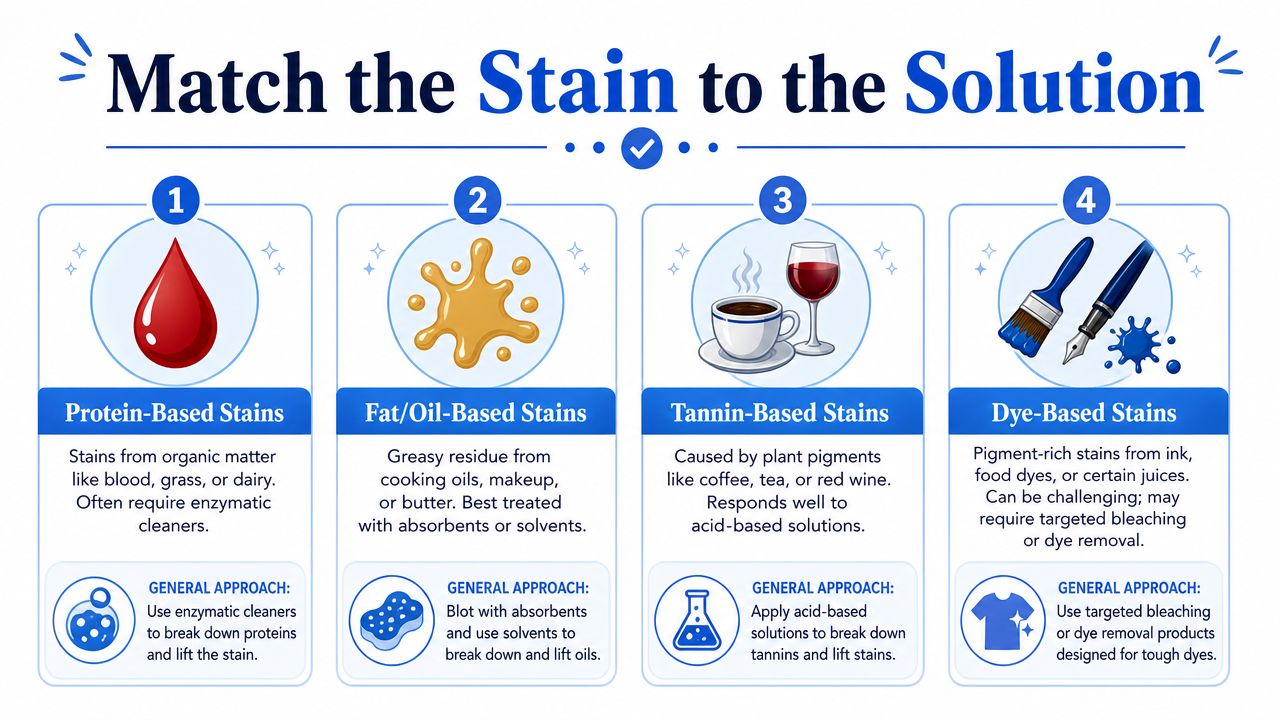
Stain chemistry matters. Enzyme-based removers are often the most effective because they break down specific stain molecules, while household remedies like vinegar may need multiple attempts and are less targeted. The wrong treatment can set a stain or damage the finish, as explained in Kind Laundry's guide to eco-friendly stain removers.
| Stain type | Common examples | Usually responds best to |
|---|---|---|
| Protein-based | Blood, dairy, egg, grass | Enzyme-focused cleaners |
| Fat or oil-based | Grease, butter, makeup, cooking oil | Surfactant or absorbent-led treatment |
| Tannin-based | Coffee, tea, wine | Controlled spot treatment, often with acidic support |
| Dye-based | Ink, food coloring, some juices | Targeted treatment and patience |
The category matters more than the marketing language on the bottle.
Protein stains bind into fibers fast, especially if heat gets involved. That's why these stains can look manageable at first and then become much harder to remove later.
Oil stains spread and cling. They often need something that can lift oily residue instead of just wetting the fabric.
Tannin stains come from plant compounds. These can leave behind color even after the liquid itself is gone.
Dye stains are usually the most stubborn because they are built to color something. Fabric doesn't care whether that color came from a pen, a sports drink, or a berry.
If a cleaner doesn't target the stain's structure, you're mostly moving the mess around.
Don't ask whether a product is natural first. Ask whether it is specific.
A useful label tells you something about the active approach:
That distinction saves fabrics, upholstery, and time. It also stops the most common mistake people make with eco friendly stain removers, which is assuming mild equals universal.
DIY stain removal still has a place. It works best as a first response for fresh spills, mild spots, and washable items that don't justify a specialty product yet. The key is knowing which pantry ingredients deserve a spot in your kit and which jobs are already beyond them.
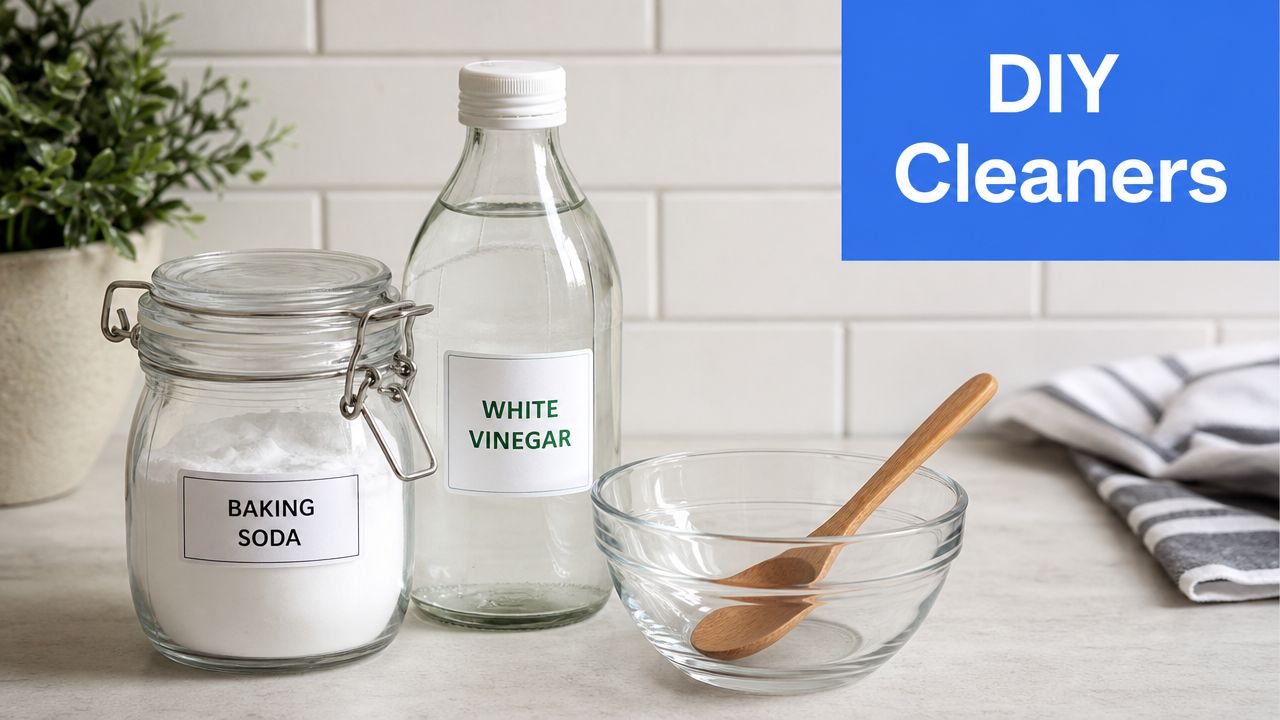
A comparative textile study found that a baking soda and apple cider vinegar mix was effective against oxidizable and enzymatic stains, while vinegar alone was better for pigment-based stains, which confirms that DIY options can work, but they are usually stain-specific, according to the IJERT comparative study on sustainable and commercial stain removers.
Baking soda and apple cider vinegar
This is the one I think of as a targeted first-pass treatment, not a cure-all. Use it when the stain looks food-based or organic and the fabric can handle a little dwell time.
How to use it:
Best use: fresh household stains with an organic component. Weak point: oily residue and set dye stains.
Vinegar alone
This can be useful when the stain is more pigment-driven. It is simpler than the mixed approach and sometimes the better choice when you want less residue.
Good fit: light pigment-based marks.
Not a great fit: heavy grease or thick, dried residue.
Baking soda as an absorbent
Dry baking soda is often more useful than people think, especially for greasy spots. It doesn't solve every oil stain, but it can help pull residue up before you move to a second cleaning step.
Use it by sprinkling it over the spot, letting it sit, then lifting it away gently before any wet treatment.
DIY methods struggle when the stain is old, layered, or tied to a delicate surface. They also fail when people use too much product and create a bigger area of residue than the original spill.
This walkthrough can help if you want a visual refresher before trying a spot treatment:
A good DIY kit is about controlled use, not creative chemistry. If you're combining random ingredients under stress, you're more likely to set the stain than remove it.
Commercial products earn their place when pantry ingredients stop being precise enough. The problem is that the eco aisle is full of labels that sound reassuring without telling you what the product is built to do.
A simple rule helps: buy for the stain, not for the branding.
A comparative study reported that enzyme-based eco-friendly stain removers show the strongest performance on protein-based stains, while surfactant-based solutions are more effective on oil stains, which is why ingredient type matters more than vague claims on the front label, as noted in this IJRPAS study on eco-friendly stain-removal methods.
Start with the active approach, not the scent or the packaging.
A lot of products use words like "natural," "clean," or "eco-safe" without telling you enough to make a good choice. If the label doesn't help you identify whether the formula is enzyme-led or surfactant-led, it may not be specific enough for difficult stains.
That same logic applies outside laundry rooms too. For example, people maintaining boats or waterfront equipment often need cleaners that are both effective and surface-conscious, which is why guides to premium eco-friendly boat products from Better Boat can be useful for understanding how performance and environmental considerations meet in specialty cleaning.
If your issue is mineral spotting on glass rather than a true stain, a general stain remover may not help much. That's a different problem entirely, and this guide to a commercial hard water stain remover explains why.
A good commercial eco product tells you what it does. A weak one tells you how you should feel about buying it.
Application matters as much as product choice. A strong formula used badly can still ruin a surface. A modest formula used correctly can solve the problem cleanly.
On soft surfaces, the first priority is control. Blot. Don't grind the stain deeper.
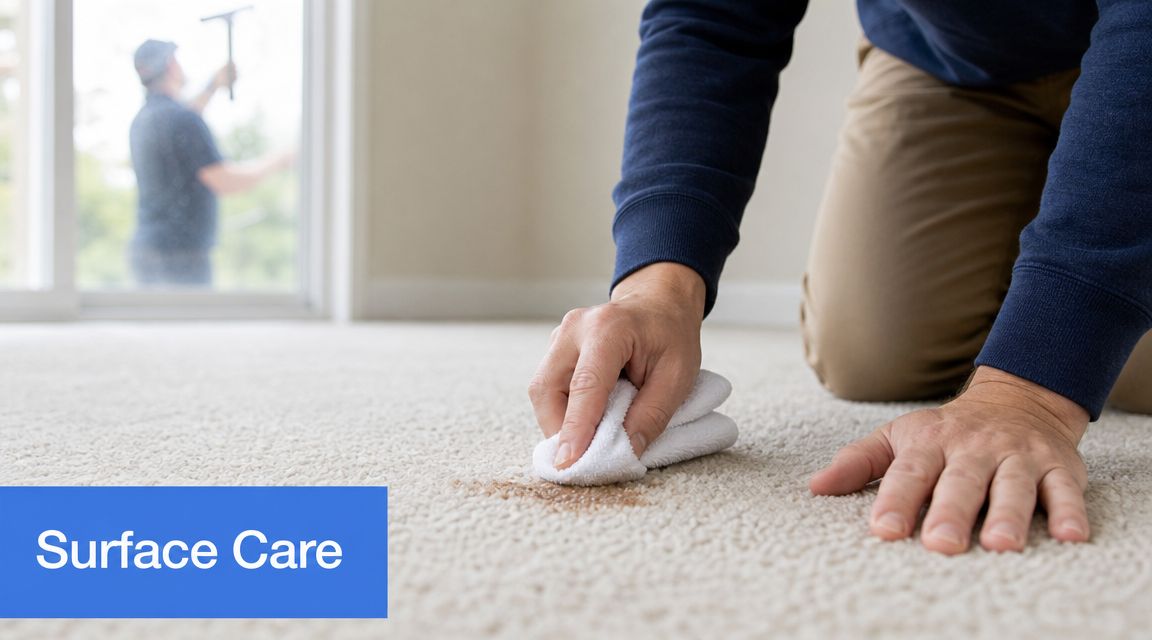
Use this sequence:
For upholstered furniture, restraint matters even more. Cushion fabric, backing, foam, and trim can all respond differently.
Clothing, towels, and some slipcovers give you a little more room to work, but they still need discipline. Pre-treat the stain, let the remover sit as directed, and check the result before heat drying anything.
If you want broader guidance on green methods for glass and surrounding surfaces, this article on eco-friendly window cleaning is a useful companion read because many people use the same mindset across laundry, mirrors, and household glass.
Countertops, sealed floors, siding, and concrete all present a different issue. On these surfaces, the residue left behind by the stain remover can become the next cleaning problem if you overapply.
A practical approach:
Glass is where many DIY stain-removal habits go sideways. People see spots or residue and start scrubbing with whatever cleaner is nearby. That can leave smearing, scratching, or damaged finishes around the frame.
Professional window cleaners rely on only two methods: a squeegee or a pure-water system. These methods are predictable, repeatable, and safer for maintaining clarity on residential and commercial glass.
That matters on specialty jobs, especially where you have hard water staining, overspray, or sensitive glass around high-visibility properties. In cities such as Las Vegas and Phoenix, intense sun and mineral-heavy spotting can make people overwork the glass. That usually makes the finish look worse, not better.
Good stain removal is mostly about avoiding bad habits. Most failures come from rushing, overheating, oversaturating, or refusing to stop when the surface is losing the fight.
For eco-friendly removers on textiles, extended contact time can matter a lot. One comparative study found that a 1 hour 30 minute application produced significantly better stain removal than shorter durations, and the same guidance also recommends starting with cold water because hot water can set certain stains permanently, as discussed in the IJERT article on sustainable and commercial stain removers on textiles.
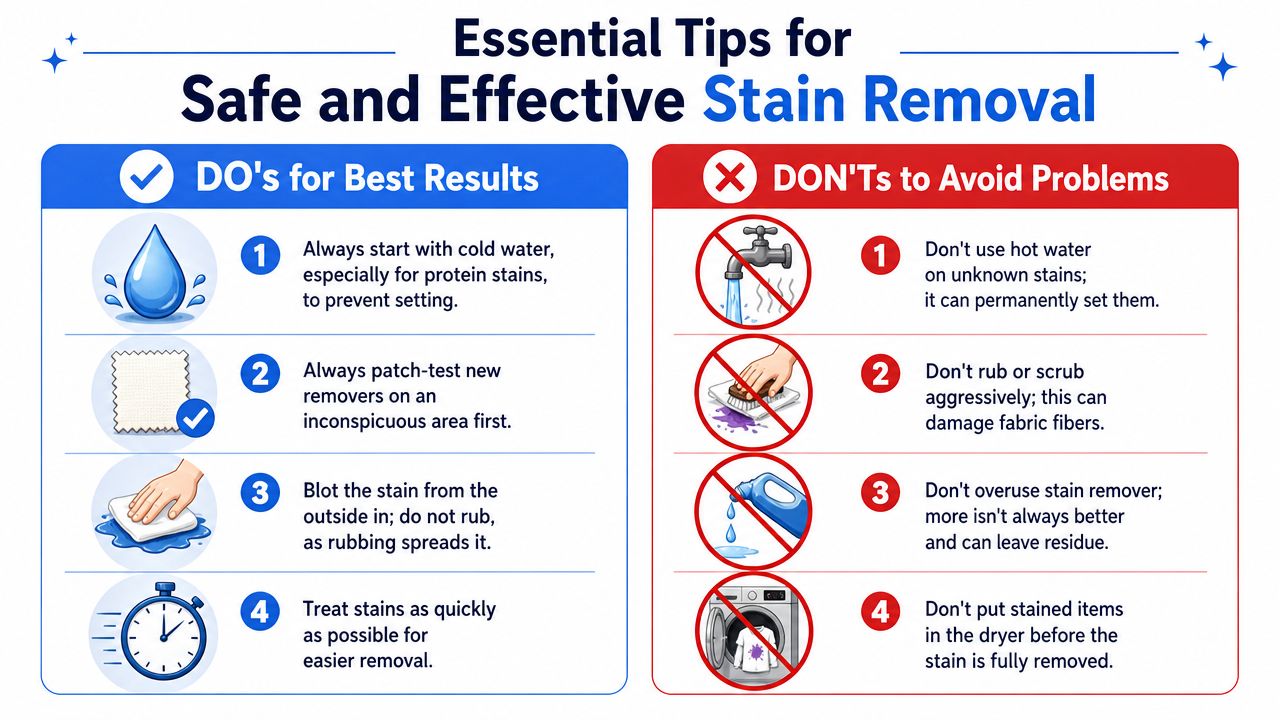
Leave the remover on long enough to work. Pulling it too early is one of the most common reasons people think a product failed.
Some warning signs mean DIY has reached its limit:
That decision matters for homes and commercial properties alike. If you're dealing with a risky surface or a highly visible problem in places like Denver or Scottsdale, stopping early is often the most responsible choice.
Sometimes, but don't assume they are. Delicate fibers can react badly even to mild-looking products. Patch test first, use a small amount, and avoid aggressive rubbing. If the item is valuable or the stain is dark and concentrated, professional help is safer.
Reduce your expectations and slow down. Old stains usually need repeated, careful treatment, not brute force. Match the remover to the stain type, allow enough dwell time, and don't dry the item until you've checked the result. If you're working on upholstery, this guide to help with stubborn sofa stains offers useful fabric-specific reminders.
No. "Natural" doesn't automatically mean harmless. It can still irritate skin, affect finishes, or leave residue if overused. Safe use still means reading directions, ventilating the area when needed, storing products properly, and keeping treatments surface-appropriate.
If your windows, glass, or exterior surfaces need more than a DIY fix, Professional Window Cleaning brings the right method to the job. Since 1999, the team has cleaned residential, commercial, and high-rise properties using the two professional standards that work on glass: the squeegee and the pure-water system.
Read our blog posts regularly and keep learning.