
Care and Maintenance
Residential Window Cleaning: The Homeowner's Guide
Master residential window cleaning with our guide. Learn professional methods, costs, frequency, and how to choose a service for AZ, CO, and NV homes.


You notice it when the morning air is finally good and you want the window open. The sash drags, squeaks, then stops halfway like it weighs twice as much as it should. Most vinyl windows don't get stiff because they're ruined. They get stiff because dirt, dried residue, and friction have taken over parts that should move freely.
That makes lubrication sound simple, but plenty of DIY jobs make the window worse. In dry, dusty places especially, the wrong spray turns a decent track into a dirt trough. After more than 26 years in the window cleaning trade, one thing stands out: if you want to lubricate vinyl windows the right way, you have to treat cleaning and lubricant choice as one job, not two separate tasks.
A sticking vinyl window usually starts with resistance you can feel before you can see the cause. The sash hesitates. The frame chatters. You put a little more pressure on it, and now the lock feels strained too. In many homes, that problem comes from packed dust, grit in the track, or dry contact points, not from a failed window.
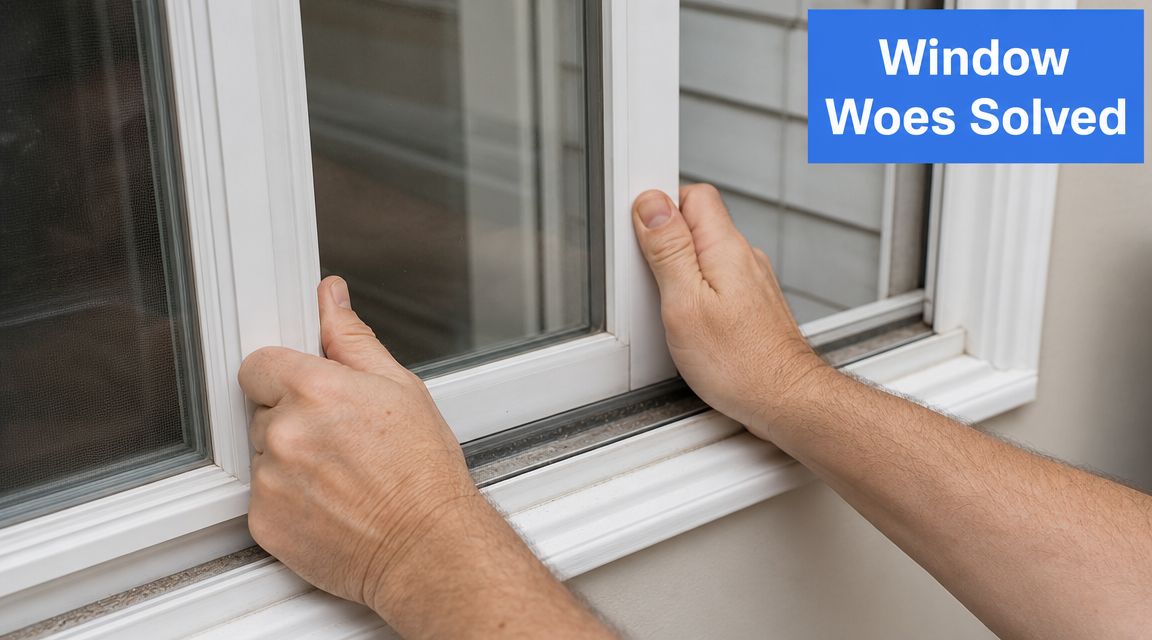
Vinyl windows are built to move on relatively clean, low-friction surfaces. When debris settles in the lower track or the jamb liners collect residue, the sash has to fight that contamination every time it opens or closes. The squeak people hear is often the warning sign. The drag comes next.
A lot of homeowners assume a stubborn sash needs force. It usually needs maintenance.
Practical rule: If a vinyl window was working fine and slowly became harder to move, start with cleaning and lubrication before assuming major damage.
Proper lubrication reduces friction on the moving points that need help. It also helps prevent unnecessary wear on rollers, contact surfaces, and hardware. The key is restraint. You're not trying to soak the window. You're trying to leave a light, controlled film where movement happens.
That same maintenance mindset shows up in broader tips for window longevity from Cultivate House Detailing. Clean components last longer, move better, and are less likely to be damaged by neglect.
When a window still fights you after proper maintenance, that's when the conversation shifts from upkeep to repair. But many sticky vinyl windows are still in the maintenance category, and that's good news because the fix is usually straightforward when done correctly.
Lubricant selection is where most vinyl window maintenance goes off track. The product that frees a rusty hinge or loosens a stuck bolt isn't automatically right for vinyl. In fact, some of the most common household sprays are exactly what you should keep away from vinyl tracks and sliding channels.
A practical milestone in vinyl window maintenance has been the move away from petroleum-based products and toward silicone or PTFE dry-film options, with multiple maintenance guides warning that oils, greases, graphite, and WD-40 can attract grime or stain vinyl, and recommending a light silicone or PTFE application instead, as noted by Hotian Windows.
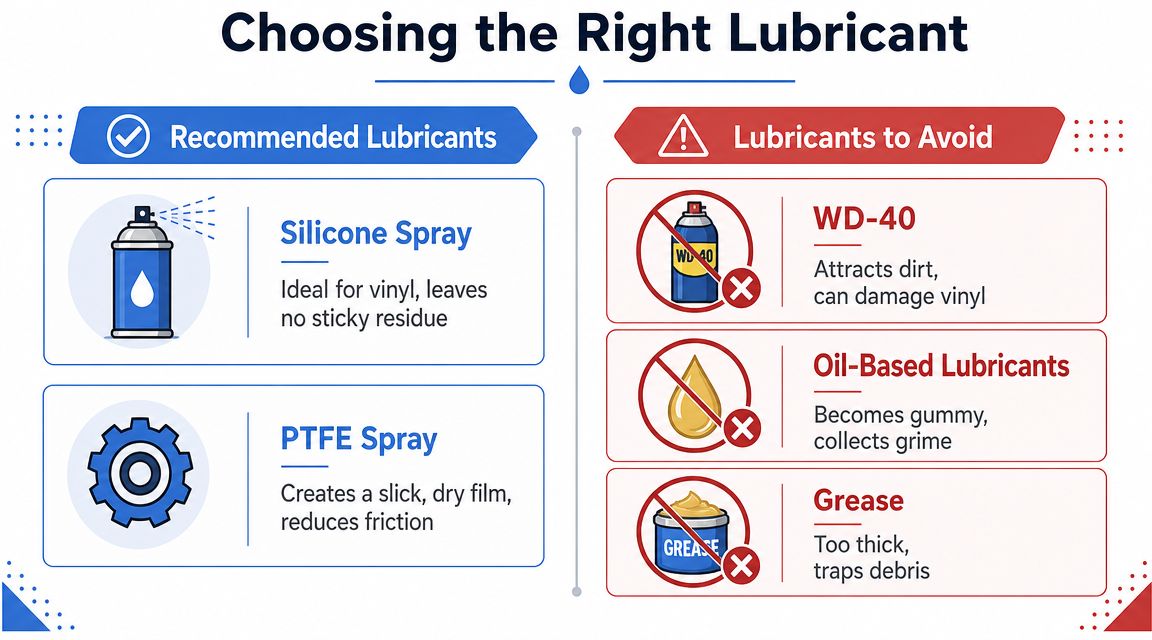
For most vinyl windows, the safest choices are:
These are especially practical in dusty areas such as Scottsdale, AZ, where anything wet or greasy tends to collect airborne dirt faster than people expect.
The usual mistakes are easy to spot once you've seen them enough:
The result isn't smoother travel. It's contamination. The window may feel better for a short time, then start dragging even more because dirt now has something to cling to.
| Lubricant Type | Use for Vinyl Windows? | Reason |
|---|---|---|
| Silicone spray | Yes | Leaves a light film and is commonly recommended for vinyl |
| PTFE dry-film lubricant | Yes | Creates a slick dry surface with low residue |
| WD-40 | No | Can attract grime and worsen sliding performance |
| Oil-based lubricants | No | Leave sticky residue that collects dust |
| Grease | No | Too thick for tracks and traps debris |
| Graphite | No | Can stain vinyl and create a mess in tracks |
Use the product that reduces friction without leaving the track feeling wet. That's the dividing line between helpful lubrication and future cleanup.
A lubricant can be effective and still be wrong for vinyl. That trade-off matters. Heavy products often feel powerful because you can see and smell them working. Dry-film products feel almost understated by comparison. But with vinyl windows, understated is usually exactly what you want.
If you're trying to lubricate vinyl windows for long-term smooth movement, the best choice is usually the least messy one.
Cleaning is the part people rush through, and it's the part that decides whether the job works. If you apply even a good lubricant over grit, dead insects, pollen, old residue, or windblown dust, you've built a grinding compound inside the track.
In the greater Phoenix, AZ, this matters even more because fine dust gets into corners, weep areas, and track edges fast.
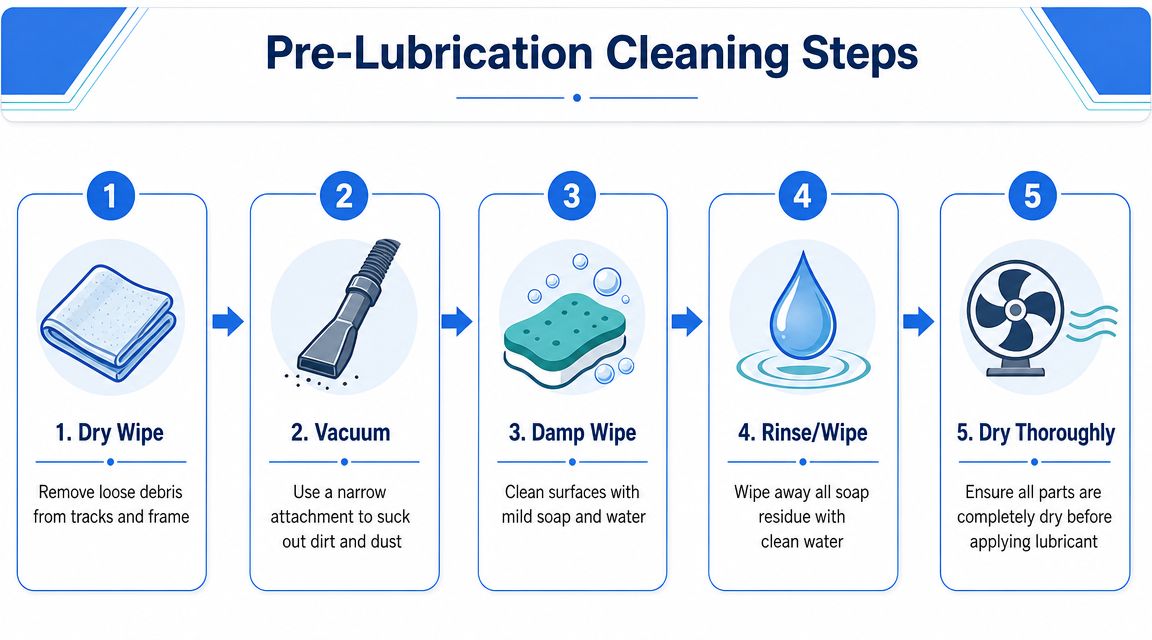
A practical, low-risk workflow described by DaBella is to remove loose grit with a vacuum crevice tool or small brush, wash the track with mild detergent and warm water, and only after the surface is dry apply a thin silicone-based coat using a cloth rather than spraying directly into the track.
That order matters because loose debris is easier to remove before it turns muddy.
If you want a separate walkthrough focused just on cleaning before maintenance, this guide on how to clean vinyl windows is a useful companion.
Window pros stick to simple methods because they work. For glass, the professional standards are the squeegee and the pure-water system. Track cleaning is different, but the same principle applies: use a method that removes contamination instead of smearing it around. For additional cleaning perspective, Calibre Cleaning shares practical window cleaning tips for Australian homes that align with that clean-first approach.
Later in the process, a visual demonstration can help if your track is heavily soiled or awkward to reach.
The lubrication step is short. The cleaning step is the job.
Once the window is clean and dry, the application itself should feel controlled, not dramatic. If you're spraying all over the glass, weatherstripping, and frame, you're using too much or aiming in the wrong place.
For the main sliding areas, apply the lubricant to a clean, lint-free cloth first, then wipe a thin film onto the track or jamb liner. This gives you control and keeps overspray off the frame. It also helps prevent puddling in corners.
That precision matters. One maintenance guide notes that it's smart to cover the glass before spraying and to spray onto a cloth instead of directly onto the frame when precision matters, especially around weatherstripping, locks, hinges, and balance rods, and it also warns that contamination from dirt plus excess lubricant is the main failure mode, as explained by Centra Windows.
Hardware needs less product than people think.
If the track itself is grimy, pause and clean again. A dirty track will undo careful hardware work.
After application, open and close the sash several times so the lubricant spreads across the contact surfaces. Then inspect the track and wipe off any visible excess. If you can see wet buildup, there is too much product in the system.
For homeowners dealing with chronic debris in the lower channel, this article on how to clean window tracks helps isolate whether the problem is dirt, drainage blockage, or simple neglect.
A vinyl window should feel cleaner after lubrication, not greasier.
Teams handling windows in places like Denver, CO see the same pattern repeatedly. Light application works better than heavy application because it leaves less for dust to grab onto later. People tend to think more product means longer protection. On vinyl windows, more product usually means more cleanup and a shorter time before the track starts dragging again.
The right finish is almost invisible. Smooth travel is the goal, not shine.
If the sash still sticks after you've cleaned thoroughly and used the right lubricant, don't keep spraying. That usually makes diagnosis harder.
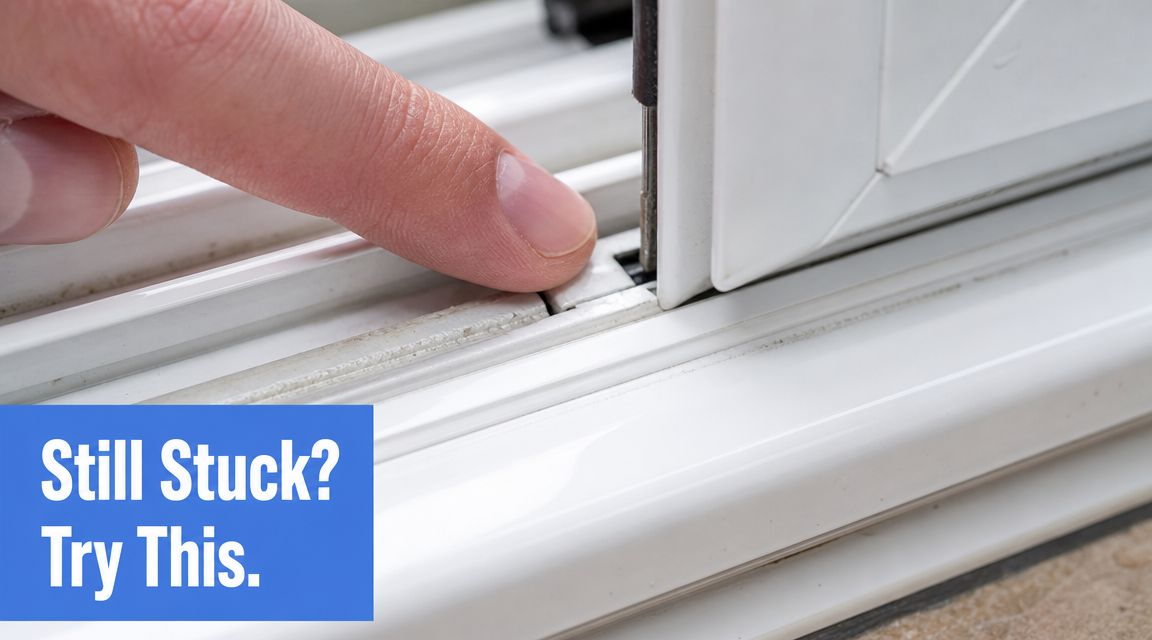
The most common causes are still simple:
That second one shows up all the time in dry regions. Guidance on this topic often says to use silicone or PTFE and avoid petroleum products, but it rarely addresses climate differences. A maintenance discussion from Quality Window & Door points out that in dry, dusty, high-sun climates like Arizona, Nevada, and Colorado, homeowners often over-apply lubricant or spray directly into dirty tracks, creating the same sticking problem they were trying to solve.
In places like Las Vegas, NV, airborne dust changes the maintenance equation. The cleaner the track, the less product you need. Heavy spray jobs don't hold up well when fine dust settles quickly and repeatedly.
If you already used silicone and the track still feels tacky or dirty soon after, a PTFE dry-film product may be the better fit next time. But the bigger lesson is this: lubrication isn't a substitute for cleaning, alignment, or damaged-part repair.
A sticking sash can also point to issues like:
Those aren't lubrication problems. They just show up during lubrication season because that's when people finally force the window and notice something is wrong.
DIY maintenance has limits, and knowing those limits prevents expensive damage. If you've cleaned the tracks, used the right lubricant sparingly, and worked the sash through its travel, the window should move better. If it doesn't, stop troubleshooting by force.
Call a professional when you see any of these signs:
Some windows need lubrication. Others need repair, adjustment, or replacement parts. Treating both problems the same way is how vinyl gets damaged.
This matters for homeowners, property managers, and commercial buildings alike. The longer a binding window is forced, the more likely you are to damage the frame, hardware, or sash alignment. A professional can tell the difference between a maintenance issue and a mechanical failure before that happens.
If your windows still drag, bind, or feel risky to operate, Professional Window Cleaning can help. We provide residential, commercial, and high-rise window services, and we've been doing this work since 1999. If you'd rather have the job done correctly the first time, or you need experienced eyes on a window that's beyond basic maintenance, reach out and schedule service.
Read our blog posts regularly and keep learning.