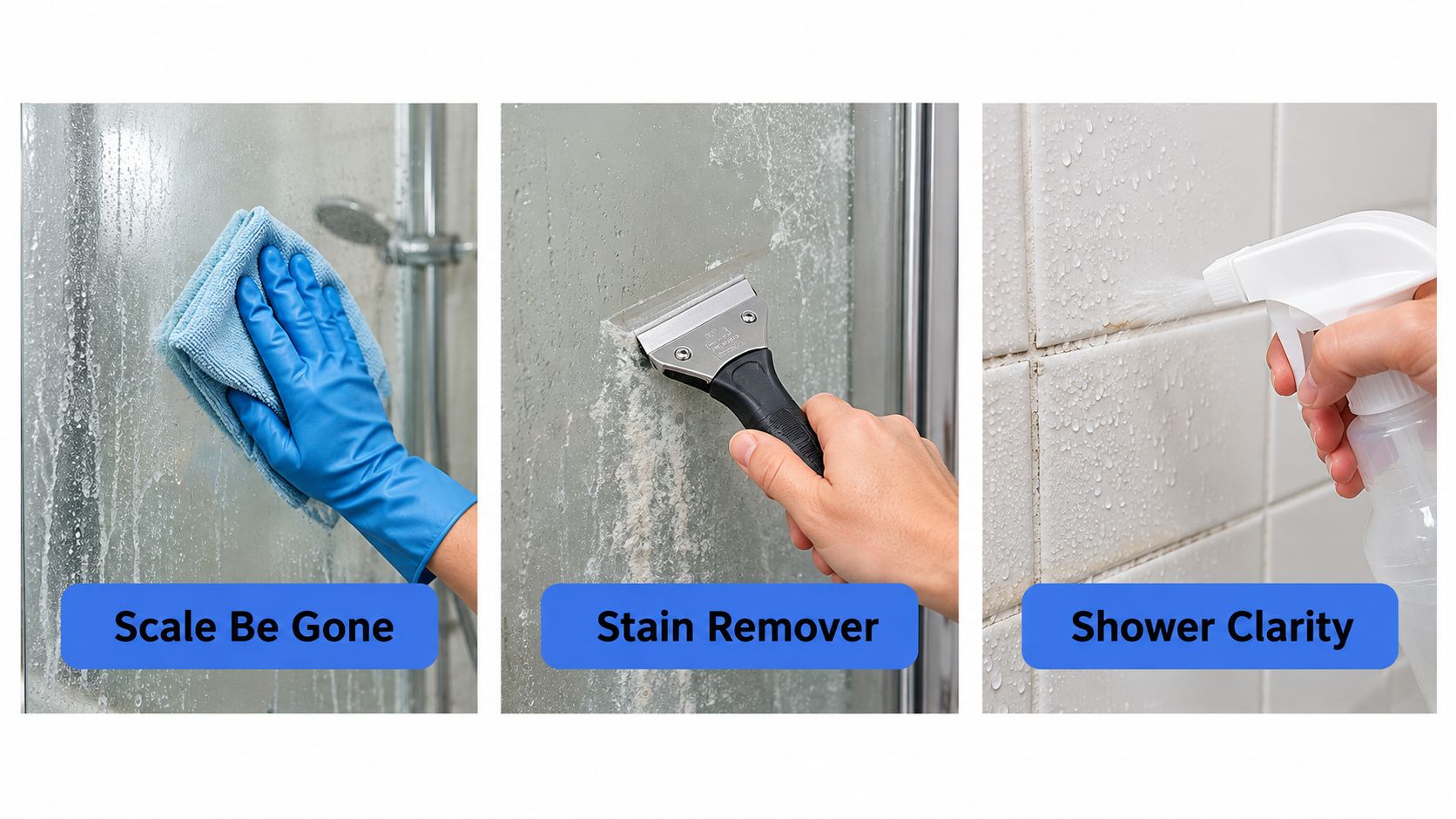
Care and Maintenance
How Much Can a Window Cleaning Business Make in 2026
Wondering how much can a window cleaning business make in 2026? See real revenue, profit margin, and owner income numbers for solo, crew, and high-rise


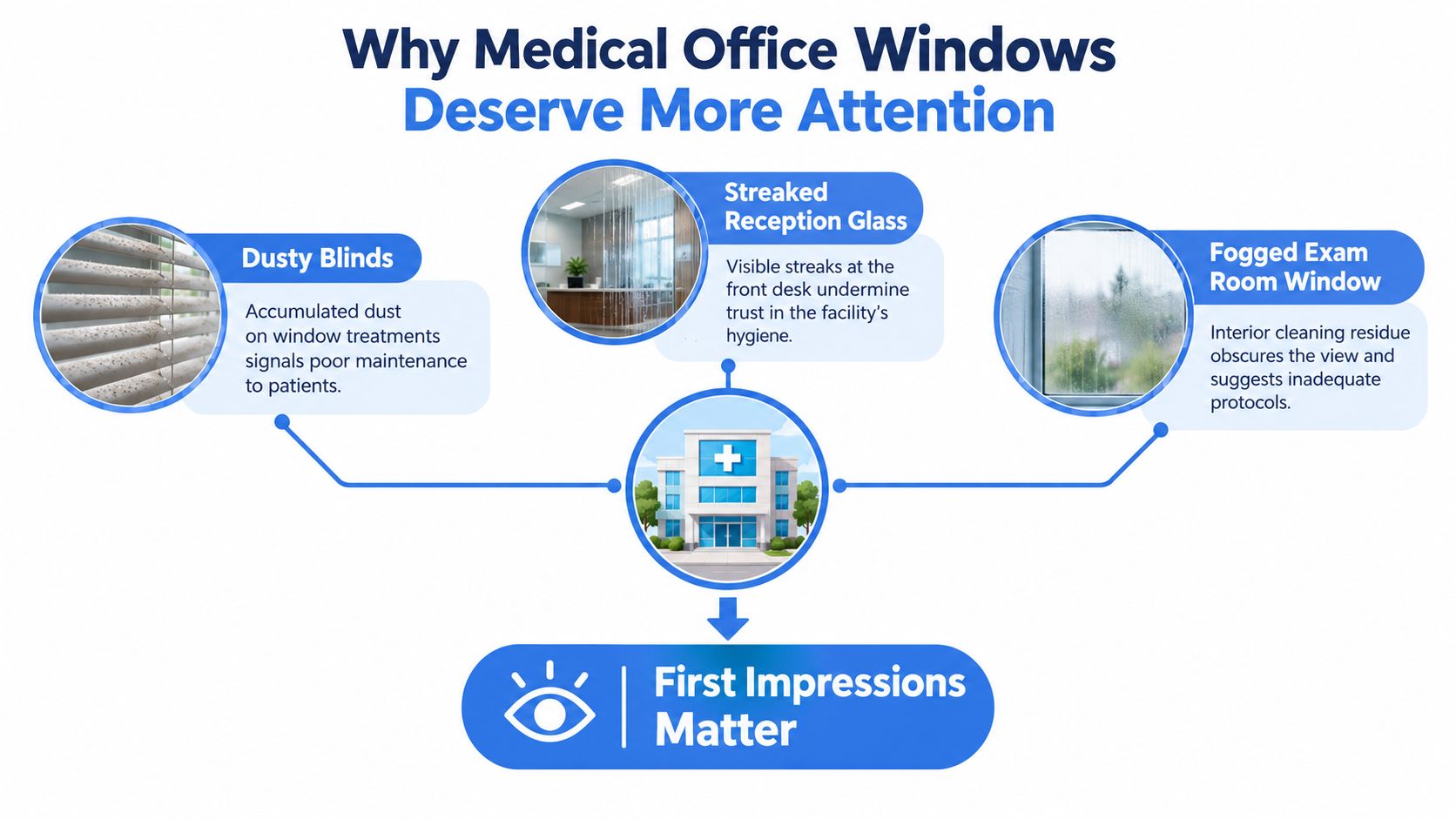
Monday morning exposes every weak point in a medical office's maintenance plan. The reception glass has fingerprints and streaks, the blinds carry a visible layer of dust, and an exam-room window looks hazy after an interior cleaning. Patients notice those details before they notice the clinical credentials on the wall.
Medical office windows aren't ordinary exterior glass. They influence daylight, glare, privacy, thermal comfort, observation, building safety, and the infection-control environment. A reliable program treats the glazing, frames, blinds, films, seals, and access equipment as one coordinated system, then cleans that system around patient care rather than disrupting it.
A patient entering the practice can spot maintenance failures before reaching the reception desk. Fingerprints on the door, mineral marks on the waiting-room glass, or dust on the blinds make a clean facility appear poorly managed. Residue on an exam-room pane can also reduce visibility and raise questions about whether the cleaning process reached the edges and surrounding frames.
Windows form part of several healthcare building systems. NHS guidance identifies natural lighting, views, energy conservation, sound insulation, security, safety, fire spread, and weather resistance as glazing selection criteria. It also calls for impact-resistant glazing where people might mistake glass for a barrier or where a fall hazard exists. A cracked pane, failed seal, damaged frame, or deteriorated perimeter joint therefore needs facilities attention, not just another cleaning pass. (NHS healthcare guidance on windows and glazing)
Use a walkthrough to record four categories of problems:
Use visible soil as the trigger for blinds and window curtains in patient-care areas, rather than forcing every surface into the same daily schedule. That approach keeps cleaning tied to actual conditions while leaving room for inspection after spills, construction, repairs, or other disruptive work.
Practical rule: If a patient, receptionist, clinician, or cleaner can see the defect during normal work, record it and assign an action.
Window condition also affects staff performance. Glare on computer displays, reflections on clinical instruments, and blocked views can interfere with work even when the glass remains intact. The target is clean, safe, controllable visibility, coordinated with daylight, privacy, infection-control practice, and patient movement through the office.
Start with an inventory, not a bucket of cleaner. Different glazing systems respond differently to water, pressure, chemicals, abrasion, and edge work. A facility manager should know whether a pane is clear, coated, laminated, filmed, or electronically shaded before assigning a crew.

Clear float glass is the familiar transparent pane found in interior partitions, doors, sidelights, and older offices. It tolerates ordinary professional cleaning, but it still needs a proper inspection for scratches, chips, paint flecks, and hard-water deposits before anyone scrapes the surface.
Low-E insulating glass works more like a thermos than a single pane. It uses sealed layers and a coating to reduce conductive and solar heat transfer. A failed perimeter seal can show up as condensation or fog between panes, which no surface cleaning will remove. For a plain-language explanation of the sealed construction, how double paned windows work is a useful technical reference.
Tinted glass reduces visible light and solar transmission, so a cleaner must inspect for uneven appearance and avoid assuming every dark pane is dirty. Laminated glass contains an interlayer that holds the construction together if the glass breaks. It may be used where safety, sound control, or security matters, and its edges deserve careful attention.
Privacy film behaves more like a frosted shower door than ordinary glass. Film can preserve daylight while limiting views from corridors and public areas, but an aggressive scraper, harsh chemical, or careless edge soak can lift or haze it. The product must also remain cleanable and must not obstruct emergency observation.
Electrochromic or switchable glazing adds a control layer. Document its normal and darkened states, check that controls work, and keep cleaning methods compatible with the manufacturer's instructions. Don't treat a malfunctioning tint state as a cleaning complaint until the control and glazing have been tested.
Use clean sleeves, properly maintained squeegees, and dedicated tools for treated glass. Pure-water systems can work well on suitable exterior surfaces, but mineral spotting, construction residue, silicone, or damaged coatings may need a different restoration approach. A contractor should test an inconspicuous area and record the glass type before broad service begins.
Clean glass protects the performance the building was designed to provide. As noted in the NHS healthcare glazing guidance cited earlier, windows form part of a coordinated daylight, thermal, acoustic, safety, and infection-control system, not merely a decorative feature. Cleaning therefore affects visibility, comfort, inspection quality, and the condition of nearby components.

Daylight also affects clinical operations. A U.S. Department of Energy review reports research associating a 100-lux increase in inpatient-room daylight with a 7.3-hour reduction in average length of stay for heart-surgery patients. That research concerns inpatient rooms, so it does not promise the same result for a medical office. It does show why usable daylight deserves attention, and why residue on glazing is an operational issue rather than a cosmetic one. (U.S. Department of Energy healthcare energy-efficiency review)
More glass does not automatically improve a practice. Window area, orientation, visible transmittance, tint, shading, and interior reflectance must work together to control glare, cooling demand, and privacy. One healthcare simulation study found that changing glazing and shading configurations produced energy savings of up to 16.3%, showing that performance depends on the complete system, not glass area alone. (Healthcare facility guidance on windows and glazing)
For a medical-office manager, the cleaning priorities are clear:
In Arizona, Nevada, and Colorado, exterior dust and intense sun put added pressure on frames, edges, and shading elements. Exterior shading intercepts solar radiation before it enters the room, so the crew should inspect and clean that system instead of polishing only the pane. Any inoperable shade or damaged component should be reported to the manager.
The working target is optical clarity with controlled glare and protected privacy. Cleaning supports that target, but it cannot correct failed seals, defective shading, or glazing that was poorly selected for the room.
A medical-office window job must fit the clinical schedule, not interrupt it. Before anyone touches the glass, the supervisor should confirm which rooms are occupied, which panes carry privacy treatments, where tools can be staged, and whether infection-control staff need to coordinate the work. A quick clean that spreads residue or carries poorly controlled tools through treatment rooms is a failed job.
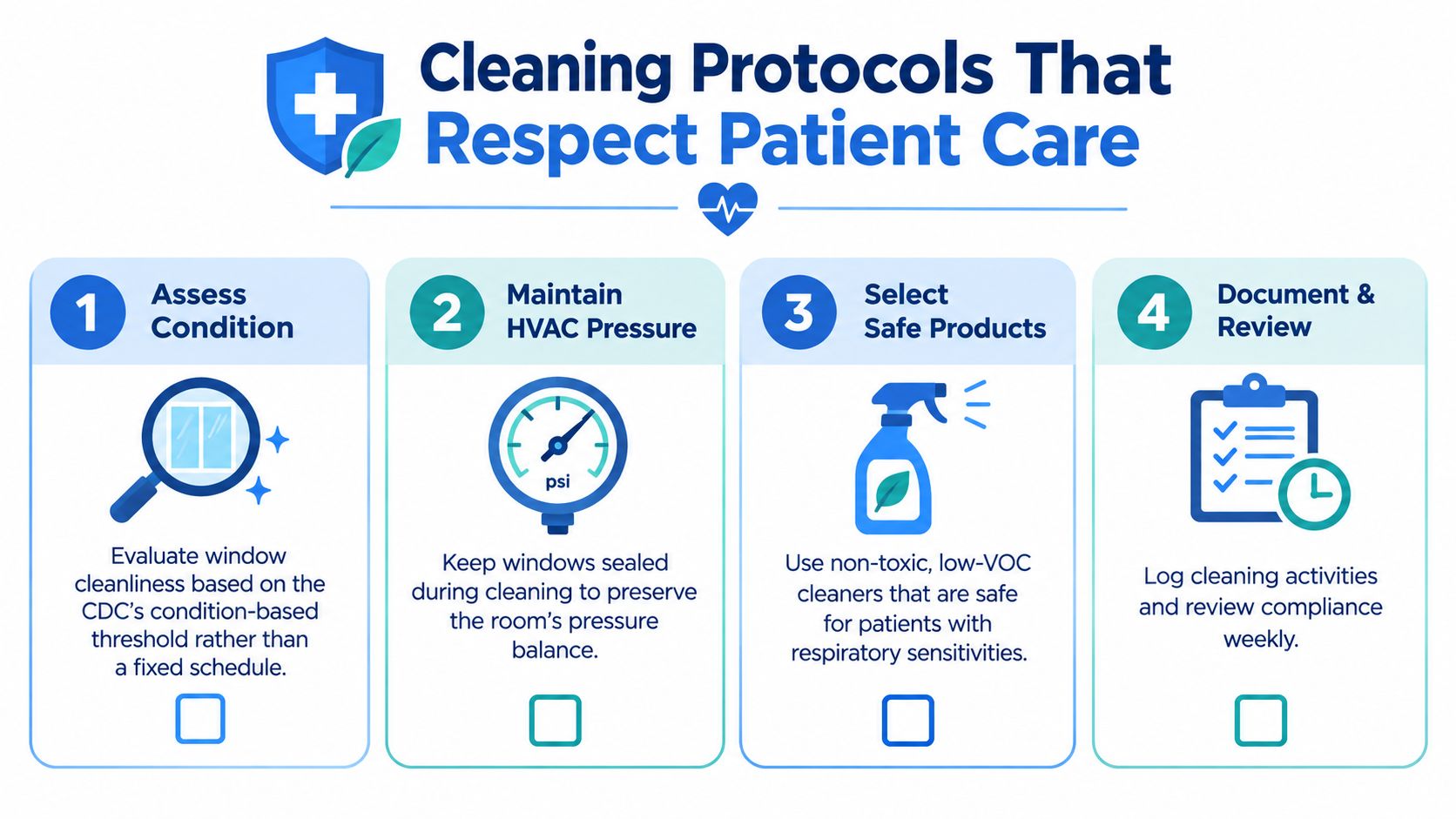
CDC guidance gives facilities a practical rule: clean blinds, walls, and window curtains when they are visibly dusty or soiled. Apply the same discipline to window work. High-traffic interior glass may need a routine schedule, but washing it mechanically every day without regard to condition wastes labor and creates avoidable disruption. (CDC environmental infection-control recommendations)
Before work begins, the supervisor should record:
Use a product suited to the pane. Glass cleaner is not automatically appropriate for medical equipment, flooring, upholstery, or other clinical surfaces. Keep overspray contained, select low-odor products for occupied areas, and follow the practice's infection-prevention requirements. Clean tools should remain controlled. Do not move cloths, buckets, or poles between rooms without checking and cleaning them.
Keep healthcare windows sealed whenever practical. CDC guidance explains that sealed windows support central HVAC pressure differentials, while open windows can disturb fan-induced pressure balance and permit dirty-to-clean airflow. Seals and caulking also help limit airborne fungal spores entering healthcare spaces. (CDC healthcare environmental-control recommendations)
Cleaners should never prop open windows for convenience. Protect seals and caulking, avoid forcing hardware, and report gaps or failed joints instead of covering them with cleaner.
For broader operational ideas on reducing contamination opportunities, patient safety hygiene strategies offers related guidance on room controls, staff movement, and cleaning discipline.
Schedule exterior work around patient arrivals, deliveries, emergency access, and procedure times. Use signage and barriers wherever equipment or wet floors could affect movement. Clean curtains and blinds according to their material and facility protocol. Keep moisture away from privacy-film edges, and remove residue that could impair observation.
Professional window cleaners use two methods: the squeegee or a pure-water system. Everything else is a variation in tool choice, solution, access, or detailing.
A squeegee gives the cleaner direct control over the glass. The operator applies a measured solution, agitates soil with a washer sleeve, pulls the water away in controlled passes, and details the edges with a clean cloth. It excels on ground-floor interior glass, reception partitions, storefront entries, doors, sidelights, and small panes surrounded by privacy film or sensitive trim.
The method also makes sense when the cleaner must inspect a surface closely. Heavy mineral deposits, paint flecks, construction dust, and silicone residue may require targeted treatment before ordinary squeegee work can produce a clean result. A squeegee is not a license to scrape blindly. The tool, blade, and pressure must match the glass and coating.
A pure-water system filters minerals from water and delivers it through a brush on a telescopic pole. The operator agitates the exterior surface, then rinses it with purified water. As the water dries, it can leave the glass without the mineral spots associated with ordinary tap water.
Pure water is particularly useful for mid- and high-rise exteriors, large elevations, and buildings where a pole can reach safely from the ground or an appropriate access position. It reduces the need to carry traditional solution to every exterior pane, but it isn't the right answer for every condition. Heavy mineral spotting, paint flecks from new construction, and post-construction silicone often need restoration or detail work first.
For a technical explanation of the equipment and process, water-fed pole window cleaning provides useful background.
A good proposal should identify the method by elevation and surface. It should state whether interior glass will receive squeegee work, whether exterior elevations will receive pure-water cleaning, and how the crew will handle filmed, tinted, low-E, laminated, or damaged panes. “Streak-free service” isn't enough detail for a medical office.
High-rise medical-office cleaning is an access-and-safety operation before it's a glass operation. A contractor who talks only about soap and squeegees hasn't addressed the main risk.
Ontario's window-cleaning rules illustrate the level of planning expected for suspended work. Workers using suspended scaffolds, boatswain's chairs, or similar single-point equipment must use a fall-arrest system, and employers or contractors must appoint a competent-person supervisor. The rules also require a written work plan to be provided to each worker before covered window cleaning or sill work begins. (Ontario access and fall-protection guidance for window cleaning)
Before a crew arrives, the contractor should complete a site walk and document:
Ontario guidance states that suspended scaffold primary suspension lines and lifelines must hang vertically from the roof or access level to the worker's exit level and be protected from abrasion. That detail matters because a generic insurance certificate doesn't prove that the proposed setup is safe.
Ask the bidder for the written work plan, training records, fall-arrest documentation, supervisor assignment, and evidence of appropriate insurance. Then ask who controls the sidewalk, entrance, and loading area while work is underway.
A suspiciously low price often reflects omitted access planning, not superior efficiency. If the contractor can't explain how workers will reach the glass and how patients will be kept away from the work zone, don't approve the job.
A medical office needs a schedule based on exposure, not a generic commercial template. My starting point is quarterly exterior cleaning for most offices, with more frequent attention on south- and west-facing elevations in Arizona and Nevada where dust and strong solar exposure can make soil and glare more noticeable. Interior patient-area glass generally deserves semi-annual full cleaning, with monthly spot cleaning in waiting rooms and other high-contact public zones.
| Surface | Low-Dust Interior | High-Dust Exterior (AZ/NV) | Patient-Area Interior |
|---|---|---|---|
| Entry doors and sidelights | Spot clean as needed, scheduled detail service | Inspect during exterior visits | Frequent fingerprint and smudge checks |
| Reception glazing | Semi-annual full clean | Inspect with façade service | Monthly spot cleaning, more when visibly soiled |
| Exam-room glass | Semi-annual full clean | Scheduled with elevation access | Clean when visibly soiled, with privacy controls protected |
| Blinds and curtains | Inspect and clean when dusty or soiled | Inspect for dust and operation | Coordinate with infection-control procedures |
| Frames, tracks, and edges | Inspect during glass service | Inspect every exterior visit | Report corrosion, water entry, or failed joints |
Don't present a precise price band without a site survey. Commercial medical-office quotes can be priced by pane, window, or square foot, but those units become misleading when access, height, film, mineral deposits, construction residue, or scheduling restrictions vary across the building. A small ground-floor pane with easy access isn't comparable to a high elevation behind a controlled entrance.
Use a commercial window-cleaning frequency guide to structure the conversation, then require the final proposal to list the actual scope and method.
Medical offices in Las Vegas, Phoenix, Denver, and Scottsdale should tell bidders which elevations collect dust fastest, where privacy controls are installed, and when patient traffic is heaviest. Those details produce a more defensible quote than asking for a blanket “clean all windows” price.
Medical office windows are a small part of the facility, but they support daylight, privacy, safety, comfort, and patient confidence. The manager's job is to make three decisions clearly: how often the building needs service, which method suits each surface, and which contractor can document safe execution.
Start with an exterior walk-around and an interior inventory. Mark every patient-touched pane, reception surface, privacy-treated window, blind, curtain, seal, frame, and access point. Then request one written proposal that identifies the cleaning method, frequency, room coordination, defect-reporting process, and work-at-height plan.
Don't approve a window contract that treats the glass as decoration. Approve a maintenance plan that keeps the glazing usable, the building envelope intact, and patient care uninterrupted.
Professional Window Cleaning provides squeegee and pure-water window cleaning for medical offices, commercial buildings, and high-rise properties, with service experience dating to 1999 and coverage across Arizona, Colorado, and Nevada. Visit Professional Window Cleaning to request a site-specific evaluation that accounts for glazing type, patient flow, access, and safety documentation.
Read our blog posts regularly and keep learning.