
Care and Maintenance
Window Cleaning Maricopa AZ: Local Homeowner's Guide
Window cleaning Maricopa AZ services keep your home bright and curb appeal high. Compare local pros, pricing, and scheduling options today.


You wipe the glass. The haze stays. You try the inside, then the outside, and it still looks cloudy.
That’s the moment many homeowners start asking, what is a window seal, and why does it matter so much?
After decades around residential, commercial, and high-rise windows, I can tell you this is one of the most misunderstood parts of a window. People often use the phrase “window seal” to mean one thing, when in reality a window has several sealing parts that do different jobs. If you don’t know which one failed, it’s easy to waste time, money, and effort on the wrong fix.
Some seal problems create drafts. Some let in water. Some cause that stubborn fog trapped between panes. And some are repairable, while others are not.
A foggy window usually sends people in the wrong direction first. They clean harder, try anti-fog products, or run a bead of caulk around the frame. None of that fixes the actual problem if the moisture is trapped between the panes.
That confusion happens because people often lump all window seals into one category. In practice, there’s a big difference between the seal you can see around the frame and the sealed space inside a double-pane or triple-pane unit.
A common but costly mistake is confusing perimeter caulking with the hermetic seal in an insulated glass unit, or IGU. The perimeter seal is replaceable, but the IGU seal is factory-set and can’t be repaired with a caulk gun, as explained in this breakdown of window seals from Thompson Creek.
If your window looks foggy inside the glass, that’s not a surface cleaning problem. It usually points to a failed insulated glass seal.
Practical rule: If moisture is trapped between panes, think glass unit problem. If you feel air around the edges, think frame or weatherstripping problem.
That distinction saves people from one of the most common DIY dead ends. Caulking the outside of a fogged double-pane window may tidy up the perimeter, but it won’t restore the sealed chamber between the panes.
When you diagnose the wrong seal, you often buy the wrong repair. You might replace caulk when the glass unit needs replacement. Or you might assume the whole window is bad when all it really needs is fresh weatherstripping.
If you’re dealing with cloudy double-pane glass, this guide on double pane window fog can help you recognize what cleaning can and can’t solve.
The short version is simple. A window can look like it has one problem while hiding another. The right fix starts with knowing which seal you’re talking about.
Most modern windows rely on a small team of seals, not a single strip of material. Each one has a different job, and each fails in a different way.
Think of your window like a cooler. One part keeps the insulated chamber working. Another holds the glass securely in place. Another blocks outside air and water at the edges where the sash closes.

This is the seal that remains largely unseen. In a double-pane or triple-pane window, the edge seal creates an airtight chamber between panes and helps keep the insulating gas or sealed air space intact. When that seal fails, moisture can get into the space between the panes, and fogging starts.
This is the seal tied to the classic “my window looks dirty on the inside but I can’t reach it” complaint.
You can’t fix this with exterior caulk. You also can’t clean your way into that sealed chamber. The insulated glass unit has to be professionally addressed.
The glazing seal helps secure the glass to the sash or frame. It cushions the glass and helps block air and water at the point where glass meets frame.
When this area starts failing, you may see water stains, dampness near the frame, or signs that the edge materials are shrinking, cracking, or separating. On commercial properties, this can show up as recurring leaks that seem to happen only during driven rain.
Weatherstripping is the seal people are most likely to touch. It’s the flexible strip around operable windows that compresses when the sash closes. It works a lot like the gasket on a refrigerator door. If it stays soft and properly aligned, it helps keep conditioned air in and outdoor air out.
Some weatherstripping uses EPDM rubber. According to the EPDM technical sheet from JKB Group, these seals are engineered for gaps from 2 to 5 mm, resist temperatures from -50°C to +60°C, and typically last 4 to 8 years. That matters in places with wide temperature swings, including Denver.
If you want the plain-English version, the hidden seal keeps the panes insulated, the edge seal helps keep water out, and the soft gasket helps stop drafts.
Once you know these three jobs, window problems stop looking random. They start looking diagnosable.
Window seals usually fail in visible ways before they fail completely. The trick is matching the symptom to the right part of the window.
A lot of homeowners notice the problem but name it incorrectly. They say, “the window is leaking,” when they really mean one of several different things.
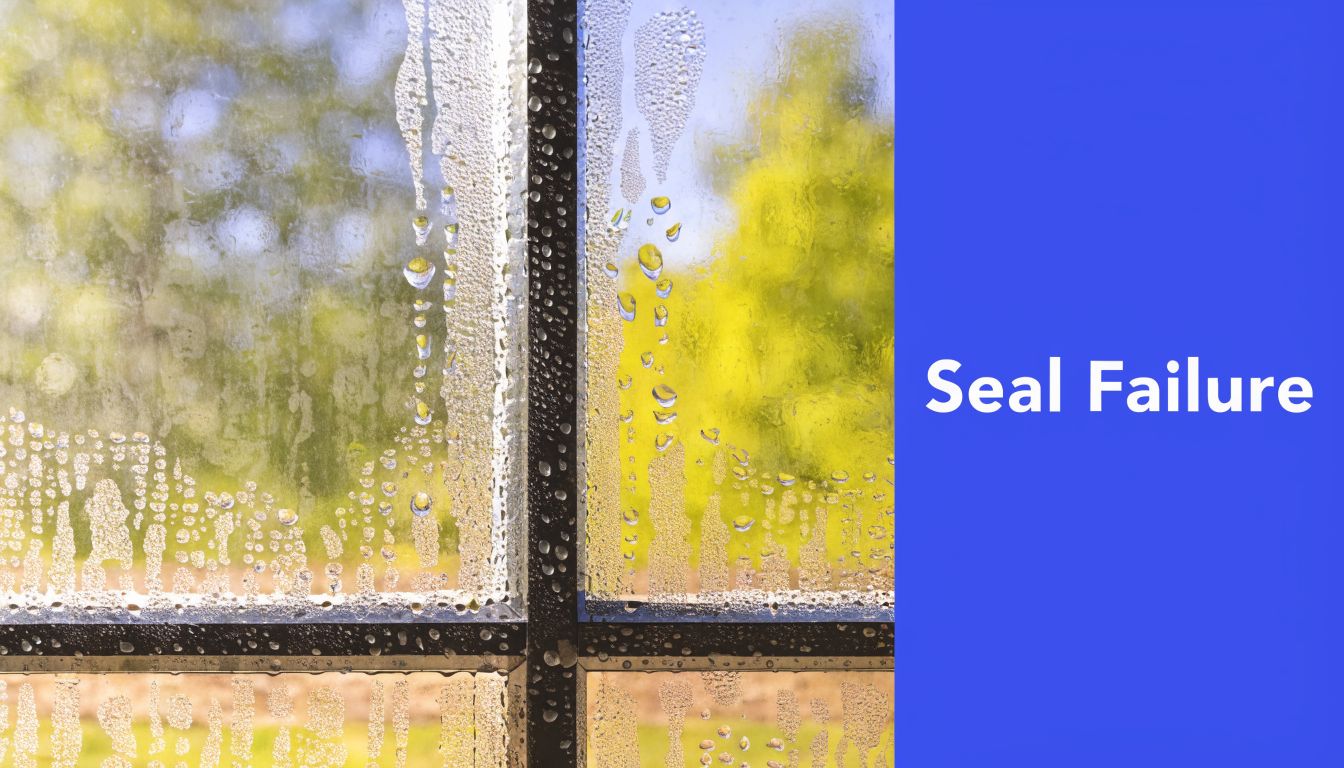
This is the clearest sign of insulated glass seal failure. If you see haze, droplets, or a milky film trapped inside a double-pane or triple-pane unit, the sealed chamber has been compromised.
That’s different from bathroom-style condensation on the room side of the glass. Surface condensation may be a humidity issue. Condensation between panes points to a failed IGU seal.
If the window is closed and locked but you still feel moving air near the edges, weatherstripping is a likely suspect. Poorly sealed windows matter because air leakage can account for up to 25% of a home’s heating and cooling costs, and effective weatherstrip seals can cut those energy costs by as much as 30%, according to the window seal overview citing U.S. Department of Energy guidance.
That kind of air movement often feels minor at first. On a windy day, it doesn’t stay minor.
Run your eyes along the operable edges of the window. Good weatherstripping looks continuous and resilient. Failing material often looks brittle, flattened, torn, or pulled away at corners.
In sunny climates, seals may also harden and lose their spring. Once that happens, the sash can close without sealing.
Here’s a quick visual walkthrough of common signs homeowners notice in the field:
Stains on drywall, soft trim, paint damage, or dampness at the sill usually point away from an internal IGU issue and toward a perimeter or glazing problem. Water doesn’t need a big opening. It only needs a repeated path.
Check for these clues:
Moisture between panes means the insulated glass seal failed. Moisture on the frame or wall means you should inspect the frame-side seals.
That distinction helps you decide who to call and what kind of repair makes sense.
A broken seal is rarely just a cosmetic annoyance. Once a window stops sealing properly, the effects spread into comfort, operating costs, and building materials around the opening.
The first hit is usually felt in the room itself. One area feels hotter in summer, colder in winter, or harder to keep comfortable than the rest of the building.
When outside air slips through worn weatherstripping or failed perimeter seals, your HVAC system has to keep correcting the same problem. The room never quite settles.
If you’re comparing window performance, it also helps to understand how sealing works alongside thermal ratings like U-factor in windows. The glass rating matters, but real-world comfort also depends on whether the window still seals the way it was designed to.

Water that gets past a glazing or perimeter seal often shows up somewhere else first. You may notice bubbling paint, swelling trim, stained drywall, or musty odors before you ever spot the actual path of entry.
That’s one reason seal problems get expensive. The failed seal is only one part of the repair. The surrounding damage can become the larger issue.
Regional climate has a real effect on seal life. According to Viva Windows’ summary of 2025-2026 ASHRAE findings, seal failure rates can be up to 25% higher in the Southwest U.S. because intense UV exposure causes brittleness, compared to a 15% national average. In places like Phoenix, Scottsdale, and Las Vegas, proactive inspection matters more because strong sun and large temperature swings stress seal materials faster.
That helps explain why a window in a dry, sunny climate may leak air before it ever shows obvious fogging.
On many desert properties, the first complaint isn’t “my window looks wet.” It’s “this room never feels sealed.”
For homeowners and property managers, that affects more than comfort. It affects maintenance budgets, tenant complaints, and the perceived condition of the property.
Once you know which seal failed, the next decision gets easier. Some window seal problems are repair items. Others point to glass replacement, and sometimes full window replacement makes more sense than repeated patchwork.
The key is not to treat every symptom the same way.
Worn weatherstripping is often a focused repair. If the glass is clear, the frame is sound, and the problem is limited to air leakage at the sash, replacing the gasket or weatherstripping may solve it.
Certain leak patterns can also be addressed with wet sealing. According to the technical guidance on wet sealing and elastomeric sealants, applying an elastomeric joint sealant over existing gaskets can extend a window’s life by 5 to 10 years in commercial settings. That’s especially useful where the goal is to restore a waterproof barrier rather than rebuild the whole assembly.
For readers comparing approaches in multi-pane systems, this overview of Double Glazing Window Repairs is a useful companion because it frames the difference between minor sealing work and repairs that involve insulated glass components.
If moisture is trapped between panes, the insulated glass unit has lost its sealed integrity. That’s not a weatherstripping problem. It’s not a simple perimeter caulk problem either.
In that case, replacement of the glass unit is usually the durable answer. If the frame is also aging poorly, or if multiple components are failing, replacing the full window may be more practical than chasing one issue after another.
| Symptom | Failed Seal Type | Recommended Action | Typical Cost | DIY Feasibility |
|---|---|---|---|---|
| Fog or moisture between panes | IGU or spacer seal | Replace insulated glass unit or evaluate full window replacement | Varies by window and contractor | Low |
| Drafts at the edges of a closed window | Weatherstripping | Replace worn gasket or weatherstripping | Varies by material and labor | Moderate |
| Water intrusion around frame or glass edge | Glazing or perimeter seal | Professional resealing or wet sealing where appropriate | Varies by condition and access | Low to moderate |
| Multiple symptoms in an older window | More than one seal may have failed | Compare targeted repair against full replacement | Varies widely | Low |
Because labor, access, frame condition, and glass type vary so much, it’s better to avoid one-size-fits-all price talk. The more useful question is whether the repair restores function for the long term.
Decision test: If the problem is at the edge of the frame, repair may work. If the problem is sealed inside the glass unit, replacement is usually the lasting fix.
If you want a closer look at repair scenarios, this article on window seal repair is a good next read.
The right pro depends on the symptom. If you’ve got fog between panes, call a window repair or replacement company that handles insulated glass units. If you’ve got leaks, drafts, brittle weatherstripping, or suspicious moisture patterns, a careful inspection should come first.
That’s where regular window service becomes useful in a way many owners don’t expect. A technician who works on windows every day sees the early signs others miss.
Window professionals spend time at the exact spots where failure starts. They notice cracked gaskets, shrinking corners, dirt trails at air gaps, and mineral traces that hint at repeated moisture entry.
That matters because windows hide problems in plain sight. A homeowner looks through the glass. A trained eye studies the edges, frame joints, and seal condition.
There are only two methods professional window cleaning crews use. A squeegee system, or a pure-water system.
Both methods do more than improve appearance. They create close access to the glass, frame, sill, and seal lines. During that process, experienced crews can spot developing issues before they turn into fogged glass, interior damage, or recurring drafts.
After more than 26 years in the field, one pattern is easy to see. People who only look at windows when they fail usually spend more than people who catch problems early.
For homeowners and property managers in Las Vegas, NV, Phoenix, AZ, Denver, CO, and Scottsdale, AZ, climate adds another layer. Heat, UV exposure, dust, and temperature swings all make seal awareness more important.
A clean window is easier to inspect honestly. Dirt can hide failures, but it can also imitate them.
Call a window repair specialist when the failure is inside the insulated glass. Call for professional cleaning and inspection when you want trained eyes on the rest of the system before the damage grows.
No. If the fog is between the panes, the insulated glass seal has failed. Exterior caulk won’t repair the sealed chamber inside the glass unit.
It’s one type of window seal, but not the only one. Windows also have glazing seals and sealed components inside insulated glass units.
It depends on the material and exposure. Some general guidance in the verified material notes a 10-year lifespan for many seals, with 5-year inspections recommended, while some EPDM weatherstripping products are rated for 4 to 8 years under exposure.
Fog or moisture trapped between panes.
Yes. Catching worn gaskets, frame-side leaks, and early moisture intrusion is far easier than repairing surrounding damage later.
If your windows look hazy, feel drafty, or show signs of leaking, Professional Window Cleaning can help you catch problems early while keeping your glass looking brand new. Our team has been cleaning windows for over 26 years using the two professional methods that matter, squeegee and pure-water systems, and that close-up work often reveals seal issues before they turn into bigger repairs.
Read our blog posts regularly and keep learning.