Care and Maintenance
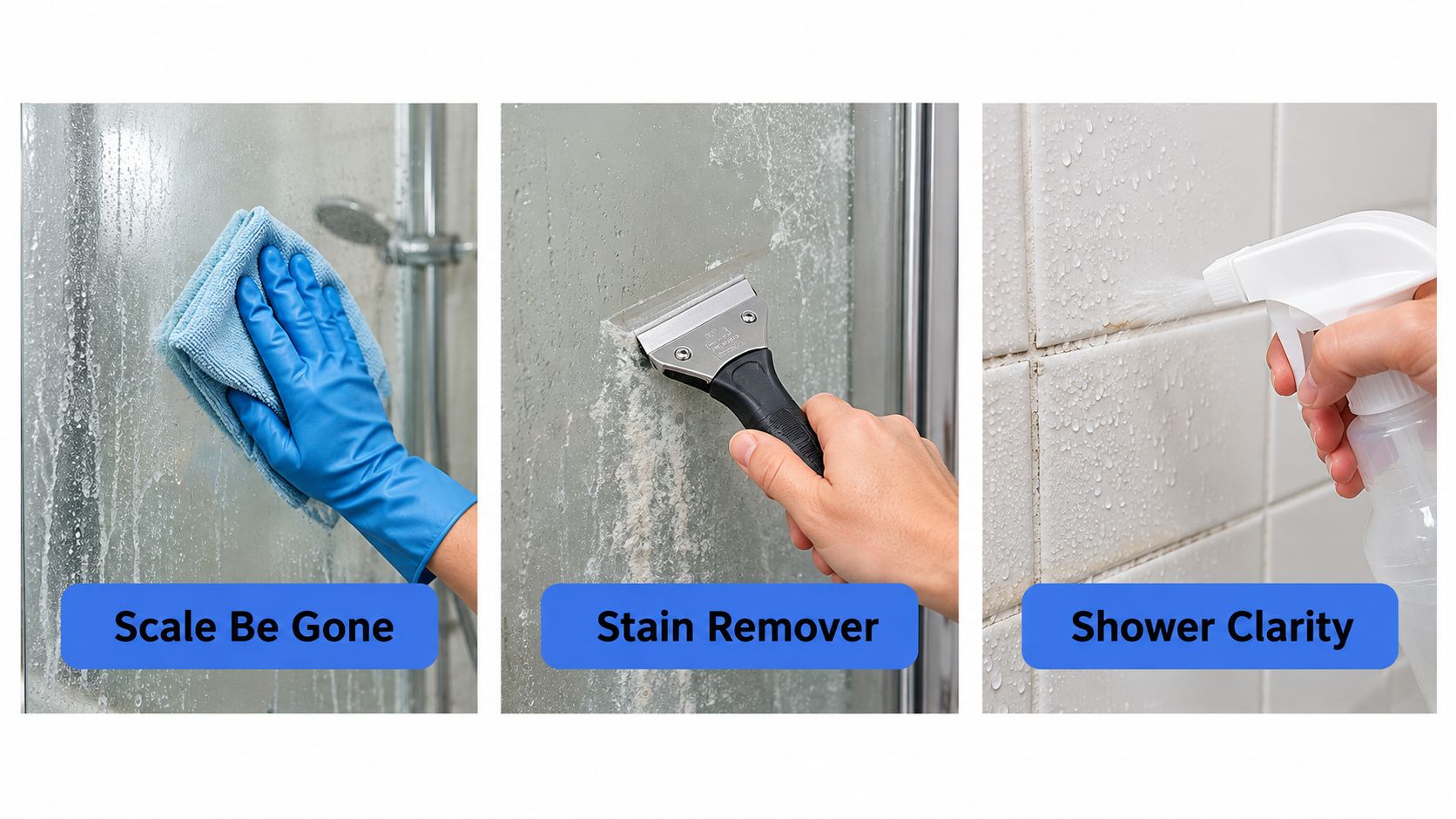
Hard Water Stain Remover Shower: What Actually Works
Find the right hard water stain remover shower fix for glass, tile, grout, and chrome. Safe DIY recipes, product picks, and prevention tips that work.


A property manager usually sees the same thing first. Tenants want cleaner glass, ownership wants the building to present well, and the job itself looks simple from the ground. Then the questions start. Who's going up there, what are they tied off to, what happens if something fails, and who's responsible if the crew has gear but no real rescue plan?
That's where window cleaning stops being a cosmetic service and becomes a safety operation.
After over 26 years in the trade, one thing is clear. Clean glass is the visible result. Safety is the work underneath it. In practice, professionals use only two methods: the squeegee technique and the pure-water system, and the pure-water method is required for windows above safe ladder height or on large commercial and multi-story properties to reduce ladder use and avoid chemical application, as outlined in this explanation of squeegee versus pure-water methods. Everything else is just a variation in tools, access, and risk control.
For owners and managers in markets like Phoenix, Scottsdale, Denver, and Las Vegas, that distinction matters. A crew that understands method, access, anchor verification, and rescue planning is operating like a professional contractor. A crew that only shows up with a bucket, ladder, and confidence is gambling.
A manager approves a window cleaning job on Monday. By Tuesday, a crew is on the roof, a ladder is set on wet concrete, tenants are walking below, and someone asks what they are tying off to. If that question comes up after the truck is unloaded, the job started too late.
The public notices the finished glass. A professional contractor studies access, fall exposure, ground conditions, roof conditions, pedestrian control, and rescue options before work begins. On a ground-floor storefront, that planning may be simple. On a three-story office building, a dealership, or a condo property, it can decide whether the work is routine or dangerous.
Professional window cleaning still comes down to two methods.
One is the squeegee method. It fits detail-heavy work, interior glass, mirrors, doors, divided panes, and windows where edge control matters. The other is the pure-water system, where purified water runs through a telescopic pole to a brush so glass can be scrubbed and rinsed from the ground.
That is not just preference. It is how experienced crews reduce exposure.
Practical rule: If the glass can be cleaned safely from the ground with a pure-water system, that option should be evaluated first before anyone sets a ladder or considers roof access.
Unsafe jobs often start with the same promise. “It's just a quick touch-up.”
That attitude leads to shortcuts. A ladder goes up on a poor angle. A worker overreaches instead of resetting. A crew member steps onto a roof edge without confirmed tie-off points. Someone sees anchor hardware on the roof and assumes it is approved, inspected, and rated for the intended load. Assumptions like that are how clean windows turn into injury claims, OSHA problems, and liability for the property.
Experienced crews know safety is a system, not a pile of gear. Harnesses, ropes, ladders, poles, anchors, warning lines, and barricades all have to match the building and the method. They also have to be inspected, documented where required, and used in the correct order. Owning a harness does not make suspended work safe.
For commercial and high-rise properties in Arizona, Colorado, and Nevada, that distinction matters even more. Heat, wind, roof layouts, access limits, and local enforcement expectations all affect how the work should be planned. Property managers should ask who verified the anchor points, whether those certifications are current, and what the suspended rescue plan is if a worker cannot self-rescue. If the crew cannot answer those questions clearly, the risk is already on site.
Safe work is measured by procedure, documentation, and execution. Clean glass is only the visible result.
Before any discussion about roofs, anchors, or descent systems, the basics have to be right. Foundational gear prevents the smaller incidents that happen every day. Slips on wet entry concrete. Chemical splash into the eyes. Lost grip on a wet pole. Cuts from damaged frames or hardware.
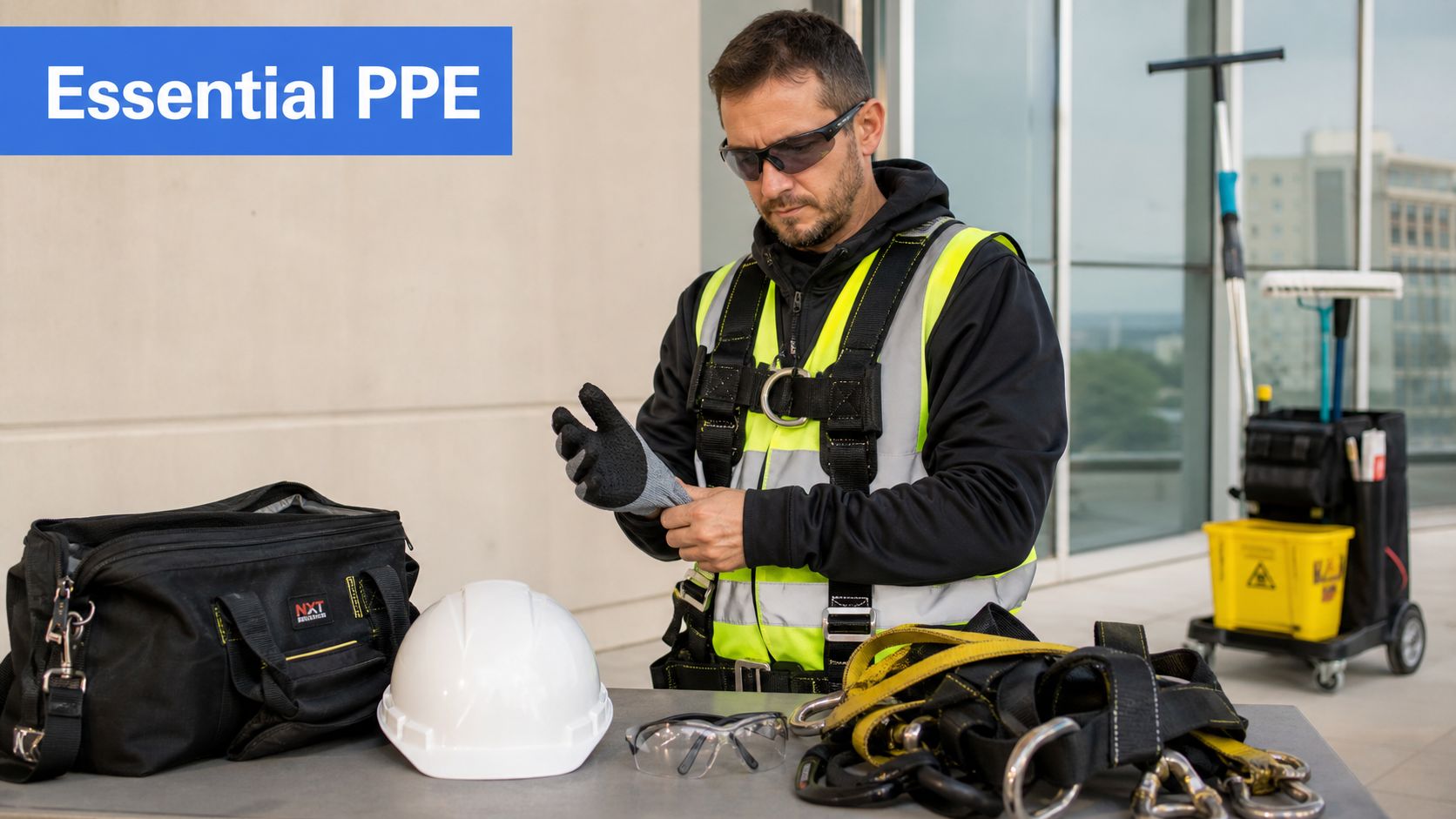
A professional cleaner's first layer of window cleaning safety equipment should include:
The industry tends to focus on dramatic hazards, especially falls. That makes sense, but smaller mistakes create the chain that leads to bigger ones. A cleaner loses footing because shoes are worn out. He overreaches because gloves slipped. He hurries because gear wasn't laid out correctly. Those aren't separate problems. They're one problem with several steps.
A property manager can learn a lot by watching setup. If a crew takes time to sort tools, check footing, and put on PPE before they begin, that's usually a good sign. If they rush straight to the glass, corners are probably being cut elsewhere too.
Good safety habits are visible before the first window is touched.
Some gear sounds practical but causes more trouble than it solves:
Foundational equipment won't make headlines. It does prevent a lot of the avoidable mistakes that separate disciplined crews from careless ones.
Low-rise work is where many people get too comfortable. Two stories doesn't look dangerous from the parking lot. It is. A short fall can still end a career, and a poorly placed ladder can turn a routine residential or small commercial job into a preventable injury.
In the United States, fatalities specifically attributed to window cleaning average approximately four per year, while the broader Bureau of Labor Statistics recorded 356 fatalities among building and grounds cleaning and maintenance workers in 2024, according to this industry safety discussion citing those figures. That's enough reason to treat every ladder setup like it matters.
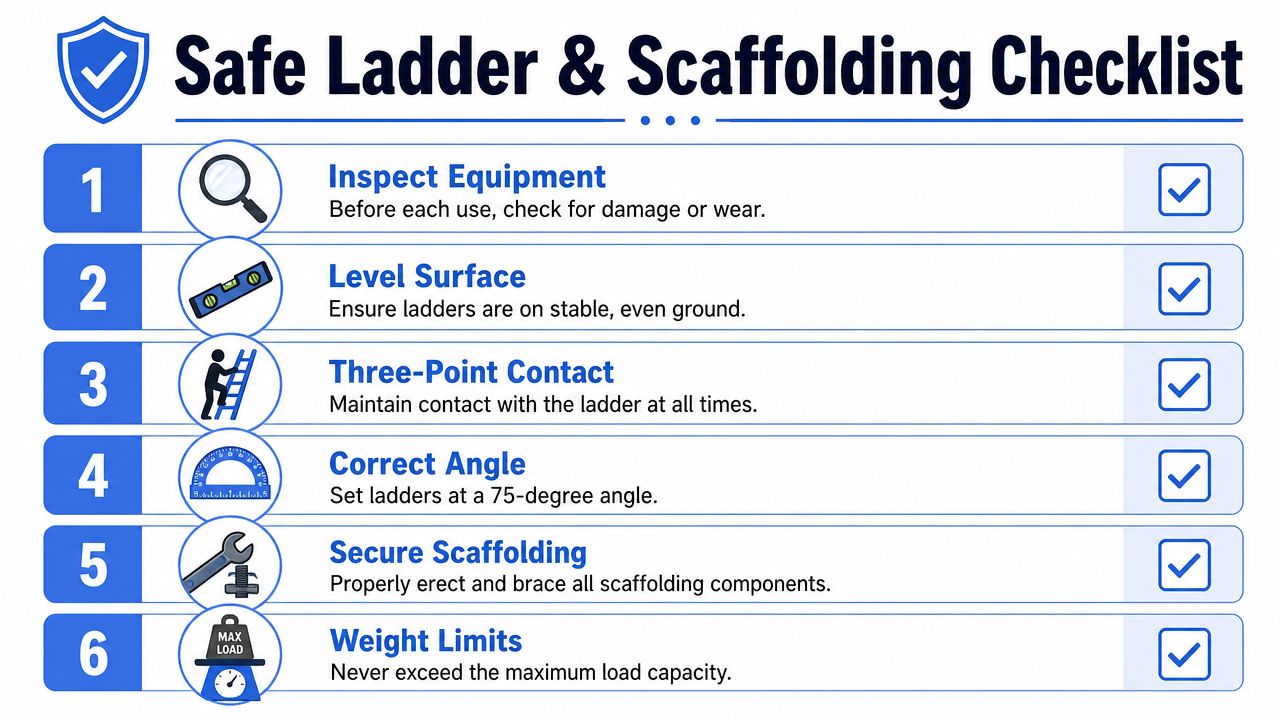
For extension ladders, the practical standard is the 4-to-1 rule. For every four feet of working height, the base should sit one foot out from the structure. That creates a working angle close to 75 degrees, which is stable without pushing the ladder too flat or too steep.
Three habits matter on every setup:
An A-frame ladder is fine for interior work, single-story access, and stable surfaces where the cleaner can stay centered and move often. It stops being the right choice when reach gets awkward, the surface slopes, or the job turns into repeated lateral movement.
On larger low-rise buildings, stability and efficiency often point toward scaffolding or a lift instead. If access is repetitive or the crew needs both hands free for sustained work, a more secure platform is usually the smarter call.
A property manager dealing with townhouse rows, retail centers, or mixed-use properties should understand that “we can do it with ladders” isn't always a sign of skill. Sometimes it's a sign the crew doesn't own better access equipment. For more perspective on ladder selection, this guide on a 16 ft ladder for window cleaning work is useful background.
When scaffolding enters the picture, these points matter:
A stable work platform beats a stretched ladder every time when the job calls for repeated height work.
A two-story medical office with open walkways and accessible glass should not have a crew climbing ladders all day to clean windows that can be handled from the ground. That is exactly the kind of job a pure-water water-fed pole system is built for, and used properly, it cuts exposure to one of the most common causes of injury in this trade: repeated work off ladders for routine exterior glass.
Ground-based work is usually the better safety decision when the building layout allows it.
The pure-water system is the preferred method for exterior glass above one story with clear access, while the squeegee method still fits intricate grids, interior doors, and mirrors where close hand work produces a better finish, as described in this comparison of pure-water and squeegee applications.
That lines up with what crews see in the field every week. On office buildings, schools, clinics, auto dealerships, and many larger homes, water-fed poles let technicians scrub and rinse glass and frames while staying on the ground. That reduces climbing, cuts setup time, and removes the bad decision that gets people hurt: reaching sideways from a ladder to save a few minutes.
The safety gain is real. The trade-off is quality control. Pole work only works well when the operator understands brush pressure, rinse technique, spotting risks, and how different glass and frame materials respond to purified water.
A proper setup includes more than a long pole. The crew needs a purification system that is producing clean water, hose routing that does not create trip hazards, pole sections suited to the building height, and a brush head that matches the glass and frame profile.
Training matters here. A careless technician can leave dirty top edges, miss hydrophobic glass issues, drag hoses through landscaping, or block entrances with poor line management. On busy commercial sites in Arizona, Colorado, and Nevada, those procedural details matter because safety is not just about the worker. It also includes pedestrian traffic, tenant access, and site control during service.
Here is the practical breakdown:
| Building condition | Better method |
|---|---|
| Exterior glass above one story with clear ground access | Pure-water system |
| Interior glass and mirrors | Squeegee |
| Divided panes or detailed grids | Squeegee |
| Broad exterior elevations on commercial properties | Pure-water system |
Water-fed poles reduce routine height exposure. They do not fix blocked access, deep setbacks, overhead obstructions, fragile canopies, steep grades, or architectural details that require close hand work.
They also do not remove the contractor's duty to choose the right method for the site. If a crew uses poles where hose runs cross public entries, ADA paths, or loading areas without control measures, one hazard has been swapped for another. On commercial properties, I expect to see hose management, work-zone awareness, and a clear decision process for when ground-based cleaning stops being the safest option.
That distinction matters for property managers. Owning water-fed equipment is useful. Knowing when it is appropriate, and documenting why it was chosen for that building, is what separates a trained commercial contractor from a company that just bought poles and called itself safer.
At 6:30 a.m., a crew is on the roof, the swing stage is ready, and tenants are already entering the lobby. If the fall protection plan is weak, the job is already off track before the first worker goes over the edge. High-rise window cleaning leaves no room for assumptions. A harness on a worker does not make the setup safe. The system has to be correct from roof anchor to descent device to backup line, and it has to match the building.

For suspended window cleaning, a Rope Descent System is a managed set of components, not a bucket of gear pulled from the truck. The worker needs a properly fitted full-body harness, a main working line, an independent backup line, a descent device rated for the application, compatible connectors, and a backup device that will perform under load. Edge protection matters too, because a good rope can still fail if it runs across the wrong surface all day.
The order of control matters on these jobs. If the building has a safer access method, that option should be evaluated first. If rope descent is the right method, the contractor should be able to explain why, show how the system was configured for that elevation, and identify what protects the worker if one component fails.
Property managers should expect that level of control.
A building manager does not need rope access training, but they should know what must be present and what questions to ask:
On buildings that rely on parapet-based setups, the equipment choice changes with wall width, coping condition, and roof geometry. A contractor using that method should understand how parapet wall clamps are selected for suspended access, not just own a pair.
This video gives a useful visual sense of how high-rise access systems are approached in practice.
After 26 years in this trade, the same problems keep showing up on bad high-rise jobs. The gear may look professional from the ground, but the details tell the truth.
For commercial and high-rise properties in Arizona, Colorado, and Nevada, legal exposure sits right beside the physical risk. If a contractor cannot show that the fall protection system was inspected, configured for that building, and tied to a real rescue procedure, the issue is bigger than equipment. It is a planning failure, and property managers should treat it that way.
A lot of safety conversations stop too early. Someone says the crew wears harnesses, and everyone moves on. That's not enough. A harness is only one part of the system, and by itself it guarantees nothing.
The hidden essentials are anchor point verification and rescue planning. These are the pieces basic guides leave out, and they're the pieces that decide whether a commercial or high-rise job is merely equipped or actually safe.
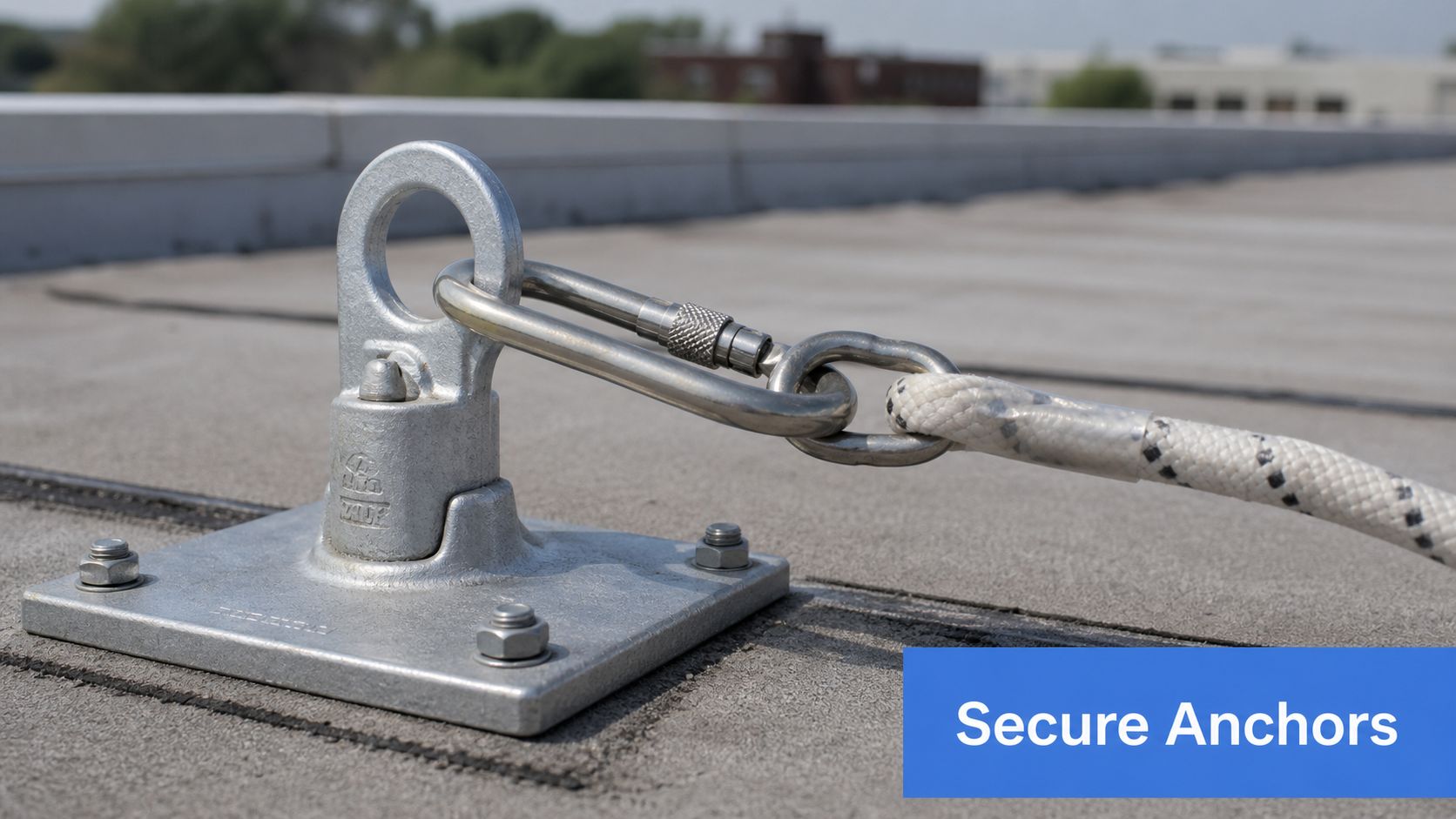
For rope descent work, the common legal and operational mistake is treating anchor points like permanent facts. They aren't. They must be documented, suitable for the specific work, and supported by current building records. The requirement that anchor points support 5,000 lbs is only part of the issue. The bigger issue is whether the owner can provide written confirmation that those anchors were certified, tested, and maintained as required.
If that paperwork doesn't exist, the contractor shouldn't pretend the anchors are acceptable. They should stop and resolve it before work begins. On parapet-dependent setups, equipment selection also matters, and this overview of parapet wall clamps for suspended access helps illustrate why edge conditions can't be treated casually.
OSHA and ANSI/IWCA standards require employers to ensure workers can perform a suspended platform rescue, and emergency evacuation procedures must be planned before work starts. The same guidance notes that 29 CFR 1910.30 requires annual training covering rescue procedures, as summarized in this discussion of window cleaning safety obligations and rescue planning.
That requirement gets ignored constantly.
A fall-arrested worker may survive the initial event and still face serious danger if the crew can't recover them quickly. That's why rescue hardware and rescue training are part of window cleaning safety equipment, not separate from it.
Don't settle for “we're tied off.” Ask sharper questions:
A fall protection system without a rescue plan is unfinished work.
For commercial and high-rise properties in Arizona, Colorado, and Nevada, legal exposure and life safety intersect. Building owners have responsibilities. Contractors have responsibilities. The job doesn't start until both sides have done their part.
A crew arrives at 6 a.m., unloads clean ropes and polished gear, and says they can start right away. If the anchor certifications are outdated, the rescue plan is vague, or the scope of work does not match the insurance they carry, the job is not ready. That is the point many property managers miss.
Safe window cleaning is a managed process. The equipment matters, but the paperwork, inspections, training records, and building-specific procedures matter just as much. On commercial and high-rise properties, especially in Arizona, Colorado, and Nevada, liability does not stop at hiring a company that owns harnesses and ropes. You need a contractor that can prove the system behind the gear is current, site-specific, and workable on your building.
A contractor worth approving should be able to show you a clear safety system:
Insurance deserves a hard look. General liability, workers' compensation, and any height-related exclusions should be reviewed before work starts, not after an incident. If you want a plain-language overview, this essential guide for contractor insurance is a useful starting point.
Crews stay in business for years because they control risk day after day. In this trade, one weak link is enough. A worn rope, an uncertified anchor, a missing rescue kit, or a supervisor who cannot explain the plan can turn a routine service call into an injury, a citation, or a claim that reaches the property owner as well as the contractor.
Professional Window Cleaning has been cleaning windows for over 26 years, and that kind of longevity comes from disciplined work practices, not luck. As noted earlier for service areas in Arizona, Colorado, and Nevada, property managers should expect that same level of preparation from any company they hire.
Choose qualified, insured, experienced professionals. Clean windows matter. Safe work matters more.
If you need a team that understands residential, commercial, and high-rise window cleaning with safety handled the right way, contact Professional Window Cleaning to discuss your property and access requirements.
Read our blog posts regularly and keep learning.